
Artificial Intelligence (AI) has been making significant strides across various industries, and fashion is no exception. The integration of AI in fashion has opened up new possibilities, revolutionizing the way the industry operates and creating a more personalized and efficient experience for consumers. From design to customer service, AI is playing a vital role in shaping the future of fashion. In this article, we will explore some of the key use cases of AI in the fashion industry.
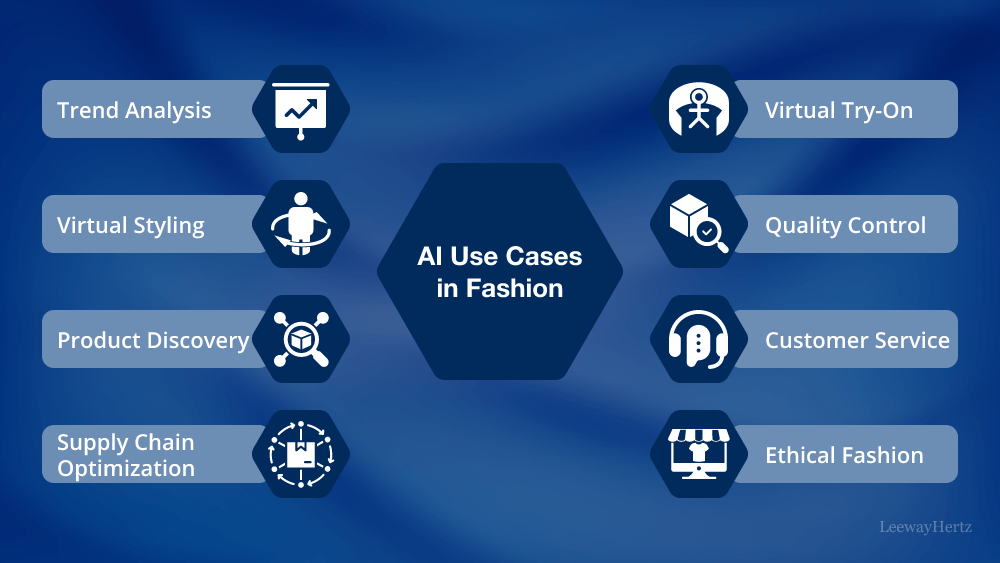
- Personalized Recommendations: One of the most prominent AI use cases in fashion is personalized product recommendations. AI algorithms analyze customer data, including past purchases, browsing history, and preferences, to suggest tailored clothing and accessory options. This not only enhances the shopping experience for consumers but also increases sales and customer satisfaction for fashion retailers.
- Virtual Styling Assistants: AI-powered virtual styling assistants are transforming the way customers seek fashion advice. These assistants can provide style suggestions, offer outfit recommendations, and even help users visualize how different clothing combinations would look on them. This virtual try-on experience enhances engagement and drives customer confidence in making purchases online.
- Forecasting Fashion Trends: AI can analyze vast amounts of data from social media, runway shows, and fashion blogs to predict upcoming trends. Fashion brands can use this information to make data-driven decisions, create collections that resonate with consumers, and stay ahead of their competitors.
- Supply Chain Optimization: AI can optimize the fashion supply chain by predicting demand, streamlining inventory management, and automating logistics. This ensures that retailers have the right products in stock at the right time, reducing waste and cost inefficiencies.
- Quality Control and Inspection: AI-powered computer vision systems can detect defects and imperfections in garments during the manufacturing process. This improves quality control and minimizes the chances of faulty products reaching the market.
- Customization and Tailoring: AI enables fashion companies to offer personalized clothing through virtual measuring and pattern-making systems. Customers can input their measurements, and AI algorithms create custom-fit garments, providing a unique and made-to-order experience.
- Sustainable Fashion: AI can be used to promote sustainability in the fashion industry. By analyzing data on materials, production processes, and consumer behavior, AI can help brands make more sustainable choices and reduce their environmental impact.
- Image and Brand Analysis: AI can analyze images and videos to track how a brand is perceived by the public. This includes sentiment analysis on social media and monitoring brand mentions, which helps fashion companies understand their brand image and reputation.
- Smart Retail and Customer Experience: AI-powered smart mirrors and interactive displays in brick-and-mortar stores can provide personalized styling recommendations, offer virtual try-on experiences, and even facilitate payments. This technology enhances the overall shopping experience and bridges the gap between online and offline retail.
- Fraud Detection and Security: AI can assist in identifying fraudulent activities, such as fake products or credit card scams. By analyzing patterns and customer behavior, AI systems can help fashion brands protect their customers and maintain brand authenticity.
- Price Optimization: AI algorithms can analyze market data, competitor pricing, and customer behavior to optimize pricing strategies. Fashion retailers can set dynamic and competitive prices to attract customers while maintaining profitability.
- Chatbots and Customer Support: AI-powered chatbots provide instant and personalized customer support, addressing queries, and resolving issues efficiently. This improves customer satisfaction and reduces the burden on customer service teams.
In conclusion, AI is revolutionizing the fashion industry by introducing innovative solutions that enhance the shopping experience, drive efficiency, and promote sustainability. From personalized recommendations to supply chain optimization and sustainability initiatives, AI use cases in fashion continue to evolve and shape the future of the industry. As technology advances, we can expect even more exciting developments in the intersection of AI and fashion, further cementing its place as a transformative force in the sector.
To Learn More:- https://www.leewayhertz.com/ai-use-cases-in-fashion/
 Jasper's financial blog