
In the rapidly evolving world of Artificial Intelligence (AI) and Machine Learning (ML), effective management and integration of ML models into production systems are crucial for delivering successful projects. This is where MLOps comes into play. MLOps, a combination of Machine Learning and DevOps practices, streamlines the development, deployment, and monitoring of ML models. In this article, we will explore the key steps to implement MLOps successfully.
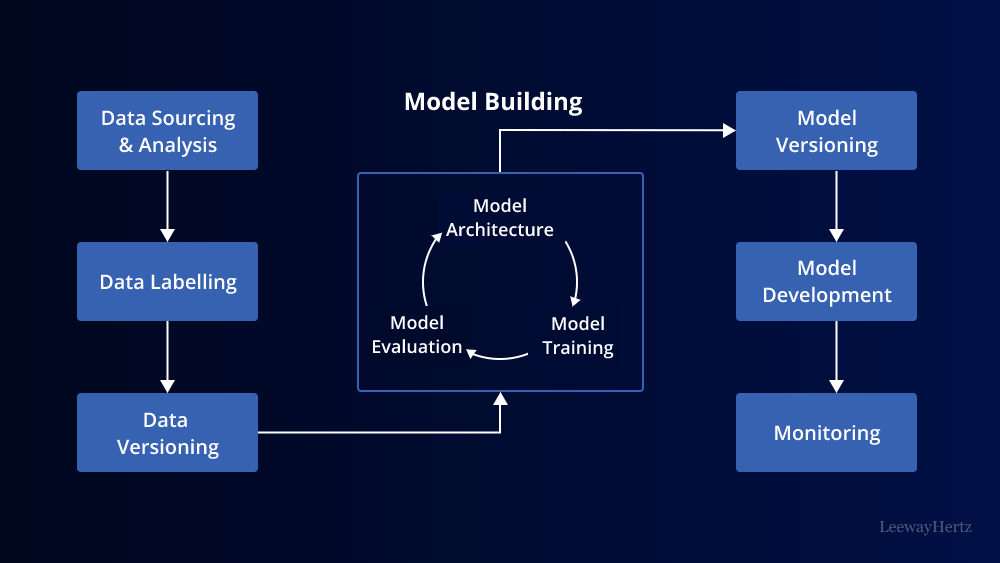
- Establish Clear Objectives:
Before diving into MLOps implementation, define your project’s objectives and expected outcomes. Understand the business use case, the problem you aim to solve, and the metrics that will measure success. A clear vision will guide the entire MLOps process. - Create a Collaborative Environment:
MLOps implementation involves cross-functional collaboration among data scientists, software engineers, operations teams, and other stakeholders. Establish a collaborative environment that encourages communication and knowledge sharing. This will facilitate smoother integration of ML models into existing systems. - Version Control for ML Models:
Version control is a fundamental practice in software development, and it is equally important for ML models. Utilize version control systems (e.g., Git) to track changes in code, data, and model architectures. This ensures reproducibility and provides a historical record of model iterations. - Continuous Integration and Continuous Deployment (CI/CD):
Implement CI/CD pipelines to automate the integration and deployment of ML models. CI/CD helps ensure that changes to the code and models are automatically tested, validated, and deployed to production. This reduces the risk of errors and accelerates the delivery of updates. - Automated Testing:
Incorporate automated testing into your MLOps workflow. Test your ML models against various datasets to ensure their accuracy and robustness. Unit tests, integration tests, and end-to-end tests are crucial for identifying and addressing potential issues early in the development cycle. - Monitoring and Alerting:
Monitoring ML models in production is vital to detect anomalies and performance degradation. Implement monitoring and alerting systems to track key performance metrics and trigger alerts when the model’s behavior deviates from expectations. This allows for prompt corrective actions. - Model Performance Tracking:
Continuously measure and track the performance of ML models in real-world scenarios. Utilize performance monitoring tools and gather feedback from users to identify areas of improvement and fine-tune the models for better results. - Automated Retraining:
Data is dynamic, and ML models may degrade in performance over time. Implement automated retraining pipelines to periodically update the models with fresh data. This ensures that the models remain relevant and accurate in changing environments. - Model Explainability and Interpretability:
Interpretable ML models are crucial, especially in domains with regulatory requirements or high stakes. Incorporate techniques for model explainability to understand the factors driving the model’s predictions, gaining trust from stakeholders and users. - Security and Privacy:
ML models can be vulnerable to attacks or privacy breaches. Implement robust security measures to safeguard models and data, especially when dealing with sensitive information. Use encryption, access controls, and secure communication protocols to protect your ML infrastructure. - Documentation and Knowledge Sharing:
Maintain comprehensive documentation throughout the MLOps lifecycle. This includes model architectures, codebase, data preprocessing steps, and deployment procedures. Encourage knowledge sharing within the team to ensure everyone is on the same page.
Conclusion:
MLOps implementation requires a well-structured approach and collaboration among different teams. By following the key steps outlined in this article, you can create a seamless integration of ML models into production systems. MLOps not only improves model performance but also enhances the overall efficiency of the development process. Remember, successful MLOps is an ongoing process that demands continuous monitoring, optimization, and adaptability to changing business needs.
To Learn More:- https://www.leewayhertz.com/mlops-pipeline/
 Jasper's financial blog