
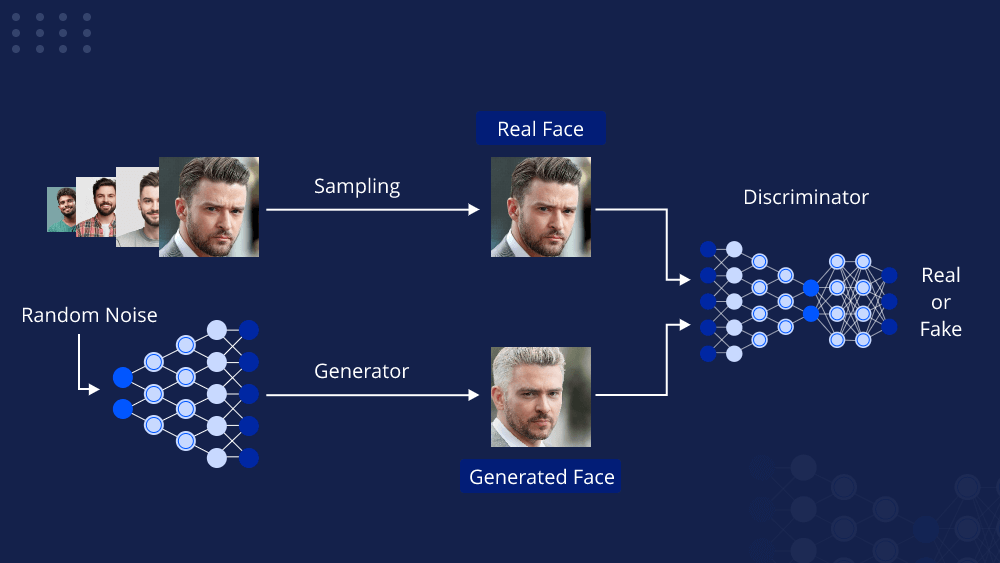
Generative AI image models, often powered by cutting-edge deep learning techniques, have revolutionized the field of computer vision and image synthesis. These models, also known as generative adversarial networks (GANs), variational autoencoders (VAEs), and autoregressive models, have shown remarkable capabilities in generating high-quality, realistic images from scratch. In this article, we will explore the diverse applications of generative AI image models and how they have transformed various industries.
- Art and Creativity
Generative AI image models have unlocked unprecedented artistic possibilities. Artists and designers can now use these models as creative tools to generate new artwork, generate novel design concepts, and even reimagine historical masterpieces. By providing the AI model with specific parameters and constraints, artists can direct the style, theme, and elements of the artwork, while still benefiting from the model’s ability to generate unique and imaginative results.
- Gaming and Animation
The gaming and animation industries have embraced generative AI image models to create visually stunning graphics and lifelike characters. By using GANs, developers can efficiently generate realistic textures, landscapes, and characters, reducing the time-consuming manual design process. Moreover, AI-powered characters can adapt and evolve based on player interactions, leading to dynamic and immersive gaming experiences.
- Fashion and Retail
Generative AI models have also found their place in the fashion and retail sectors. Fashion designers can leverage these models to generate new clothing designs, predict future fashion trends, and create personalized recommendations for customers. Additionally, virtual try-on solutions have become more accurate and realistic, enabling customers to virtually try out clothes before making a purchase.
- Healthcare and Medical Imaging
The applications of generative AI image models in healthcare are extensive. These models can synthesize realistic medical images, such as X-rays, CT scans, and MRI images, to augment training data for medical professionals and students. Moreover, AI-generated medical images can be used to simulate various medical conditions, allowing doctors to practice and refine their diagnostic skills without risking patient safety.
- Architectural Design and Real Estate
In the field of architecture, generative AI image models are employed to produce realistic 3D models and visualizations of buildings and interior spaces. Architects can use these models to explore different design options, experiment with materials, and showcase their projects to clients in a more immersive way. In the real estate industry, AI-generated images can help create compelling property listings and virtual tours for potential buyers.
- Data Augmentation and Image Restoration
Generative AI image models offer an innovative approach to data augmentation. By generating synthetic samples, these models can expand small datasets and enhance model generalization. Data augmentation is particularly beneficial in scenarios with limited labeled data, improving the performance of various computer vision tasks like object detection and segmentation.
Furthermore, generative AI models can also be used for image restoration tasks. They can reconstruct missing or corrupted parts of an image, upscale low-resolution images, and remove noise, resulting in clearer and more detailed visuals.
Conclusion
Generative AI image models have made significant strides in the field of image synthesis, providing immense value across various industries. From unleashing artistic creativity to enhancing medical imaging and advancing architectural design, the applications of these models are far-reaching and continue to evolve rapidly.
As research in the field progresses and technology improves, we can expect even more remarkable advancements in generative AI image models. However, ethical considerations, such as potential misuse and biased generation, must be addressed responsibly to ensure that these powerful tools continue to bring positive impact and benefits to society as a whole.
To Learn More:- https://www.leewayhertz.com/a-guide-on-generative-ai-models-for-image-synthesis/
 Jasper's financial blog