What is a Transactional Chatbot? How Does It Operate?

In recent years, the rapid advancements in artificial intelligence and natural language processing have given rise to a new generation of chatbots that go beyond simple text-based interactions. Among these innovative chatbots, transactional chatbots have emerged as powerful tools that facilitate seamless, automated transactions between users and businesses. From customer support to e-commerce, these intelligent virtual assistants are revolutionizing the way we engage and transact online. In this article, we will explore what transactional chatbots are and delve into their operational mechanisms.
Understanding Transactional Chatbots:

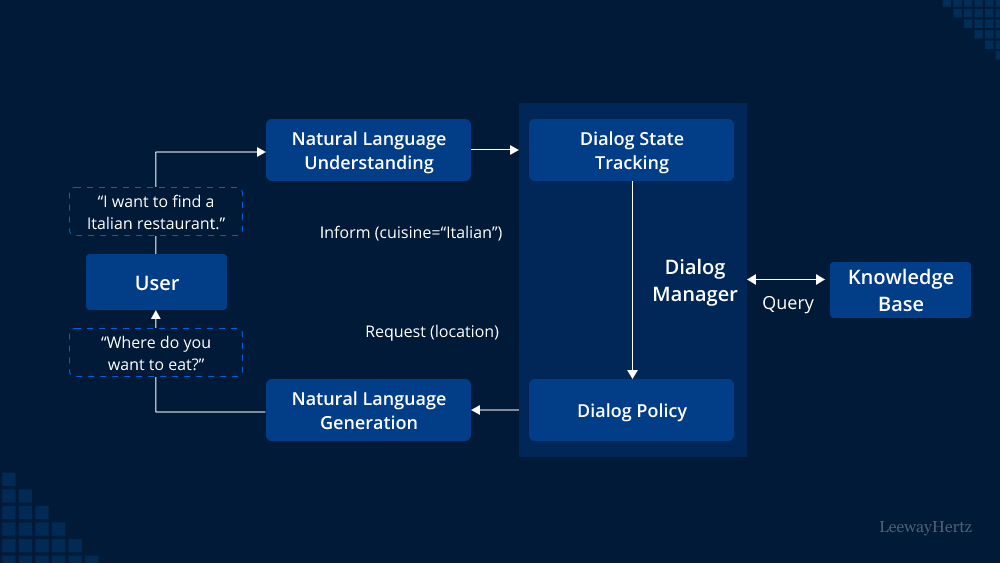
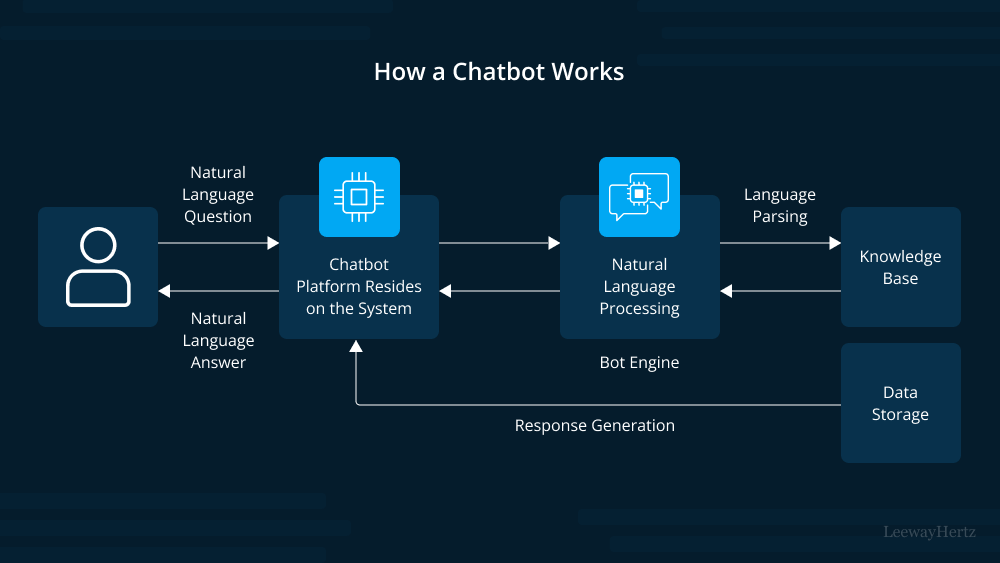
A transactional chatbot is an advanced conversational AI system designed to facilitate and execute specific actions or transactions within a chat interface. Unlike traditional chatbots that provide pre-programmed responses, transactional chatbots leverage machine learning algorithms to understand natural language and context, enabling them to handle complex tasks. These tasks may include processing orders, making reservations, providing personalized recommendations, handling payments, and more.

Operational Mechanisms:

  1. Natural Language Processing (NLP): The core technology that drives transactional chatbots is natural language processing (NLP). NLP allows chatbots to understand and interpret human language in a way that traditional rule-based chatbots cannot. By analyzing the user’s input, NLP enables the chatbot to extract the user’s intent and context accurately.
  2. Intent Recognition: Transactional chatbots utilize intent recognition techniques to identify the user’s intent behind their message. Whether a user wants to make a purchase, book a flight, or inquire about a service, the chatbot aims to grasp the user’s intention to respond accurately.
  3. Context Awareness: A key feature of transactional chatbots is their ability to maintain context throughout the conversation. This means that the chatbot can remember past interactions within the same session, allowing for a more personalized and efficient transactional experience.
  4. Integration with Backend Systems: To execute transactions, transactional chatbots are integrated with backend systems or databases. For example, an e-commerce chatbot may connect with the inventory and payment systems of an online store. This integration enables the chatbot to access real-time data and process transactions seamlessly.
  5. Authentication and Security: As transactional chatbots handle sensitive information like payment details, security is paramount. These chatbots employ various authentication methods to verify user identities and ensure secure transactions, such as two-factor authentication or biometric verification.
  6. Personalization: Transactional chatbots often incorporate user data and preferences to provide personalized recommendations and offers. By analyzing past interactions and purchase history, the chatbot can offer more relevant and tailored suggestions to users.
  7. Fallback Mechanism: While transactional chatbots are highly advanced, they may not always understand every user query. In such cases, they employ a fallback mechanism, where they either ask for clarification or escalate the conversation to a human agent.
  8. Feedback and Continuous Improvement: Transactional chatbots gather valuable feedback from users to improve their performance continuously. This feedback loop helps chatbot developers refine the AI model, enhance the user experience, and minimize errors over time.

Benefits of Transactional Chatbots:

  • 24/7 Availability: Transactional chatbots operate round the clock, allowing businesses to provide uninterrupted service to their customers.
  • Improved Efficiency: By automating transactions, chatbots reduce the need for manual intervention, resulting in quicker and more efficient processes.
  • Cost Savings: With fewer resources required for customer support and order processing, businesses can save on operational costs.
  • Enhanced User Experience: Transactional chatbots offer personalized interactions, leading to a more satisfying user experience and increased customer loyalty.
  • Scalability: Chatbots can handle multiple interactions simultaneously, making them scalable to accommodate growing user demands.

Conclusion:

Transactional chatbots represent a significant leap in the capabilities of conversational AI. Through the power of natural language processing, integration with backend systems, and context awareness, they can execute complex tasks and transactions seamlessly. With continuous advancements in AI technology, we can expect transactional chatbots to play an increasingly vital role in various industries, redefining the way we interact with businesses and making transactions more effortless and efficient than ever before.

To Learn More:- https://www.leewayhertz.com/train-transactional-chatbot-using-reinforcement-learning/
AI as a Service: Empowering Innovation with On-Demand Intelligence

The rapid advancement of Artificial Intelligence (AI) technology has revolutionized industries across the globe, enabling businesses to make data-driven decisions, automate processes, and create personalized experiences for customers. However, harnessing the power of AI often demands significant expertise, resources, and infrastructure, making it a daunting challenge for many organizations. Enter “AI as a Service” (AIaaS), a game-changing concept that democratizes AI by providing on-demand access to cutting-edge AI capabilities without the need for extensive in-house development. In this article, we explore how AIaaS is transforming the landscape of business and technology and the benefits it offers to organizations of all sizes.

What is AI as a Service?

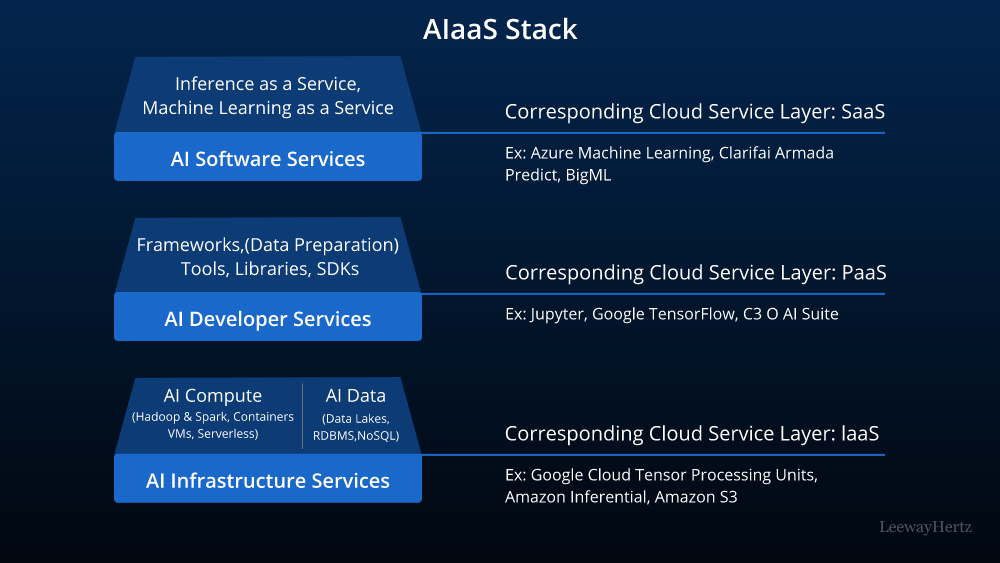
AI as a Service is a cloud-based solution that offers companies the ability to access a wide array of AI tools and services via the internet. Instead of investing in costly hardware, software, and specialized AI talent, businesses can now leverage external providers to access AI algorithms, machine learning models, natural language processing, computer vision, and other AI-driven services. This model allows organizations to focus on their core competencies while harnessing the potential of AI to drive innovation and growth.

Key Features and Components

  1. Scalability: AIaaS providers offer scalable solutions that can accommodate the varying needs of different businesses. Whether it’s a small startup or a large enterprise, organizations can easily adjust their AI usage based on demand, without worrying about infrastructure limitations.
  2. Cost-effectiveness: By adopting AIaaS, businesses can significantly reduce the upfront costs associated with building and maintaining an in-house AI infrastructure. The pay-as-you-go model ensures that companies pay only for the resources they use, making AI accessible to startups and small businesses as well.
  3. Versatility: AIaaS provides a wide range of AI tools and services, covering diverse applications such as natural language processing, computer vision, speech recognition, predictive analytics, and more. Organizations can choose and integrate the services that best align with their unique requirements.
  4. Security and Compliance: Reputable AIaaS providers prioritize data security and compliance, ensuring that sensitive information is protected and adheres to industry regulations and standards.

Benefits of AI as a Service

  1. Accelerated Time-to-Market: With AIaaS, businesses can rapidly deploy AI-driven applications and services, reducing the time and effort required for development and integration. This agility enables organizations to respond quickly to market demands and gain a competitive edge.
  2. Access to Expertise: AIaaS providers house teams of skilled AI professionals who continuously update and improve the AI services offered. Companies can leverage the expertise of these specialists without investing in hiring and training AI talent internally.
  3. Democratization of AI: Previously, only tech giants and well-funded organizations could afford to develop and implement AI solutions. AIaaS democratizes access to AI, allowing startups and small businesses to leverage the same advanced technologies as their larger counterparts.
  4. Enhanced Flexibility: As business needs evolve, organizations can easily switch between AI services or scale their usage up or down, ensuring a flexible AI strategy that aligns with their goals.
  5. Reduced Risks: AIaaS providers handle infrastructure maintenance, updates, and security, reducing the burden of operational risks on businesses and allowing them to focus on leveraging AI for growth.

Challenges and Considerations

While AIaaS offers numerous advantages, there are some challenges and considerations to bear in mind:

  1. Data Privacy: As AIaaS providers handle sensitive data, businesses must carefully assess the privacy policies and security measures of the chosen vendor.
  2. Vendor Lock-in: Organizations must consider the implications of vendor lock-in when relying heavily on AIaaS. Ensuring compatibility with alternative providers or a smooth transition to in-house solutions is essential.

Conclusion

AI as a Service has emerged as a transformative solution, empowering businesses to harness the potential of AI without the complexity and expense of developing in-house capabilities. By offering scalable, cost-effective, and versatile AI tools, AIaaS has democratized AI and made it accessible to organizations of all sizes. With AIaaS, businesses can accelerate their innovation, gain a competitive edge, and thrive in the AI-driven era of the future. As the technology continues to evolve, AIaaS will undoubtedly play a pivotal role in shaping the business landscape for years to come.

To Learn More:- https://www.leewayhertz.com/ai-as-a-service/

How to Build an AI-Powered Chatbot

In the rapidly evolving world of technology, chatbots have become an essential tool for businesses to enhance customer support, streamline operations, and improve user engagement. An AI-powered chatbot is an intelligent virtual assistant capable of simulating human-like conversations, making it an invaluable asset for automating customer interactions. In this article, we will explore the step-by-step process of building an AI-powered chatbot to elevate your business to new heights.

Step 1: Define Objectives and Use Cases

Before diving into the development process, it is essential to identify the purpose and goals of your chatbot. Determine the primary objectives you want the chatbot to achieve and the specific use cases it will address. Whether it’s providing customer support, answering frequently asked questions, or guiding users through a sales funnel, a clear understanding of the chatbot’s intended tasks will steer the development process in the right direction.

Step 2: Choose the Right Platform and Framework

Selecting the appropriate platform and framework is crucial for building an effective AI-powered chatbot. Several popular options, such as Dialogflow, Microsoft Bot Framework, and IBM Watson, offer a range of features to suit various needs. Consider factors such as ease of integration, scalability, and natural language processing capabilities when making your decision.

Step 3: Designing the Chatbot’s Conversational Flow

An intuitive and user-friendly conversational flow is vital for the success of your chatbot. Create a dialogue map that outlines various user interactions and potential responses the chatbot should offer. Utilize branching logic to handle diverse user inputs effectively and ensure a seamless conversation experience.

Step 4: Implement Natural Language Processing (NLP)

Natural Language Processing is the backbone of any AI-powered chatbot. It enables the bot to understand and interpret user queries in a human-like manner. Integrate NLP capabilities into your chosen platform to empower your chatbot with the ability to comprehend various phrasings, synonyms, and language nuances.

Step 5: Develop and Train the Chatbot

With the foundational work laid out, it’s time to develop and train your chatbot. Use the selected framework to create the chatbot’s backend, connecting it to your chosen messaging channels like website chat widgets, Facebook Messenger, or WhatsApp. Train your chatbot with relevant data to improve its accuracy and response capabilities over time.

Step 6: Add AI and Machine Learning

To make your chatbot even smarter, consider integrating AI and machine learning technologies. This can be achieved by enabling the chatbot to learn from user interactions and improve its responses continuously. AI and machine learning can also help in personalizing user experiences, leading to higher customer satisfaction.

Step 7: Test Rigorously

Before deploying your chatbot to the public, conduct thorough testing to identify and fix any bugs or issues. Simulate various user scenarios and verify if the chatbot responds accurately and appropriately. User feedback during this stage can be invaluable for fine-tuning the chatbot’s performance.

Step 8: Deploy and Monitor

Once you are satisfied with the chatbot’s performance, deploy it to your desired platforms and start engaging with users. Keep a close eye on its interactions and gather user feedback to identify areas for improvement. Regularly update the chatbot’s knowledge base to keep it up-to-date with the latest information.

Conclusion

Building an AI-powered chatbot is an exciting journey that can significantly enhance your business operations and customer experience. By defining clear objectives, selecting the right platform, implementing natural language processing, and incorporating AI and machine learning, you can create a chatbot that impresses users with its capabilities and fosters long-lasting relationships with your customers. Remember, continuous improvement is key, so always monitor user interactions and refine your chatbot to adapt to changing needs and preferences. Embrace the power of AI, and your chatbot will undoubtedly become a valuable asset for your business in the digital age.

To Learn More:- https://www.leewayhertz.com/ai-chatbots/

AI Use Cases in Fashion

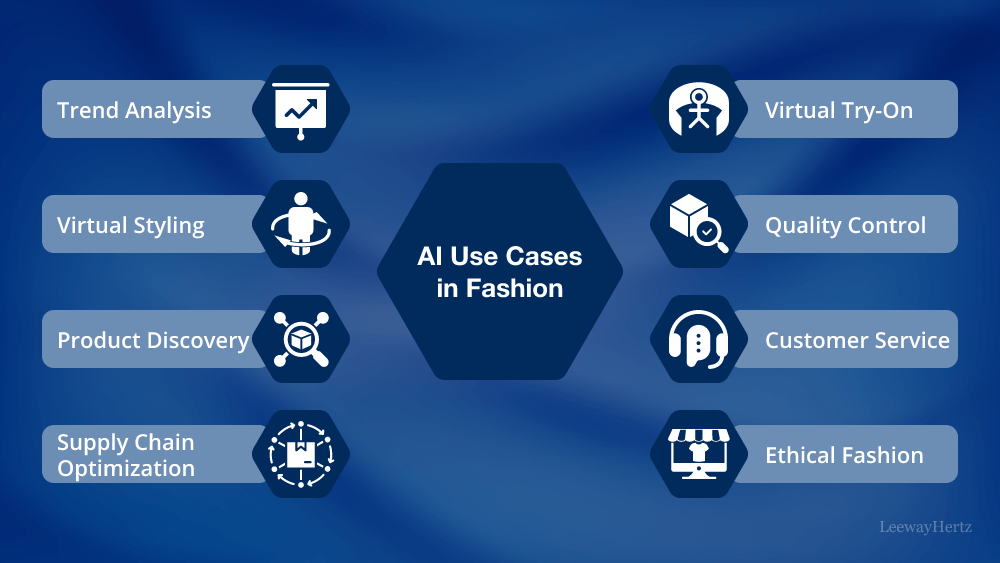
Artificial Intelligence (AI) has been making significant strides across various industries, and fashion is no exception. The integration of AI in fashion has opened up new possibilities, revolutionizing the way the industry operates and creating a more personalized and efficient experience for consumers. From design to customer service, AI is playing a vital role in shaping the future of fashion. In this article, we will explore some of the key use cases of AI in the fashion industry.

  1. Personalized Recommendations: One of the most prominent AI use cases in fashion is personalized product recommendations. AI algorithms analyze customer data, including past purchases, browsing history, and preferences, to suggest tailored clothing and accessory options. This not only enhances the shopping experience for consumers but also increases sales and customer satisfaction for fashion retailers.
  2. Virtual Styling Assistants: AI-powered virtual styling assistants are transforming the way customers seek fashion advice. These assistants can provide style suggestions, offer outfit recommendations, and even help users visualize how different clothing combinations would look on them. This virtual try-on experience enhances engagement and drives customer confidence in making purchases online.
  3. Forecasting Fashion Trends: AI can analyze vast amounts of data from social media, runway shows, and fashion blogs to predict upcoming trends. Fashion brands can use this information to make data-driven decisions, create collections that resonate with consumers, and stay ahead of their competitors.
  4. Supply Chain Optimization: AI can optimize the fashion supply chain by predicting demand, streamlining inventory management, and automating logistics. This ensures that retailers have the right products in stock at the right time, reducing waste and cost inefficiencies.
  5. Quality Control and Inspection: AI-powered computer vision systems can detect defects and imperfections in garments during the manufacturing process. This improves quality control and minimizes the chances of faulty products reaching the market.
  6. Customization and Tailoring: AI enables fashion companies to offer personalized clothing through virtual measuring and pattern-making systems. Customers can input their measurements, and AI algorithms create custom-fit garments, providing a unique and made-to-order experience.
  7. Sustainable Fashion: AI can be used to promote sustainability in the fashion industry. By analyzing data on materials, production processes, and consumer behavior, AI can help brands make more sustainable choices and reduce their environmental impact.
  8. Image and Brand Analysis: AI can analyze images and videos to track how a brand is perceived by the public. This includes sentiment analysis on social media and monitoring brand mentions, which helps fashion companies understand their brand image and reputation.
  9. Smart Retail and Customer Experience: AI-powered smart mirrors and interactive displays in brick-and-mortar stores can provide personalized styling recommendations, offer virtual try-on experiences, and even facilitate payments. This technology enhances the overall shopping experience and bridges the gap between online and offline retail.
  10. Fraud Detection and Security: AI can assist in identifying fraudulent activities, such as fake products or credit card scams. By analyzing patterns and customer behavior, AI systems can help fashion brands protect their customers and maintain brand authenticity.
  11. Price Optimization: AI algorithms can analyze market data, competitor pricing, and customer behavior to optimize pricing strategies. Fashion retailers can set dynamic and competitive prices to attract customers while maintaining profitability.
  12. Chatbots and Customer Support: AI-powered chatbots provide instant and personalized customer support, addressing queries, and resolving issues efficiently. This improves customer satisfaction and reduces the burden on customer service teams.

In conclusion, AI is revolutionizing the fashion industry by introducing innovative solutions that enhance the shopping experience, drive efficiency, and promote sustainability. From personalized recommendations to supply chain optimization and sustainability initiatives, AI use cases in fashion continue to evolve and shape the future of the industry. As technology advances, we can expect even more exciting developments in the intersection of AI and fashion, further cementing its place as a transformative force in the sector.

To Learn More:- https://www.leewayhertz.com/ai-use-cases-in-fashion/

How to Implement MLOps: A Comprehensive Guide

In the rapidly evolving world of Artificial Intelligence (AI) and Machine Learning (ML), effective management and integration of ML models into production systems are crucial for delivering successful projects. This is where MLOps comes into play. MLOps, a combination of Machine Learning and DevOps practices, streamlines the development, deployment, and monitoring of ML models. In this article, we will explore the key steps to implement MLOps successfully.

  1. Establish Clear Objectives:
    Before diving into MLOps implementation, define your project’s objectives and expected outcomes. Understand the business use case, the problem you aim to solve, and the metrics that will measure success. A clear vision will guide the entire MLOps process.
  2. Create a Collaborative Environment:
    MLOps implementation involves cross-functional collaboration among data scientists, software engineers, operations teams, and other stakeholders. Establish a collaborative environment that encourages communication and knowledge sharing. This will facilitate smoother integration of ML models into existing systems.
  3. Version Control for ML Models:
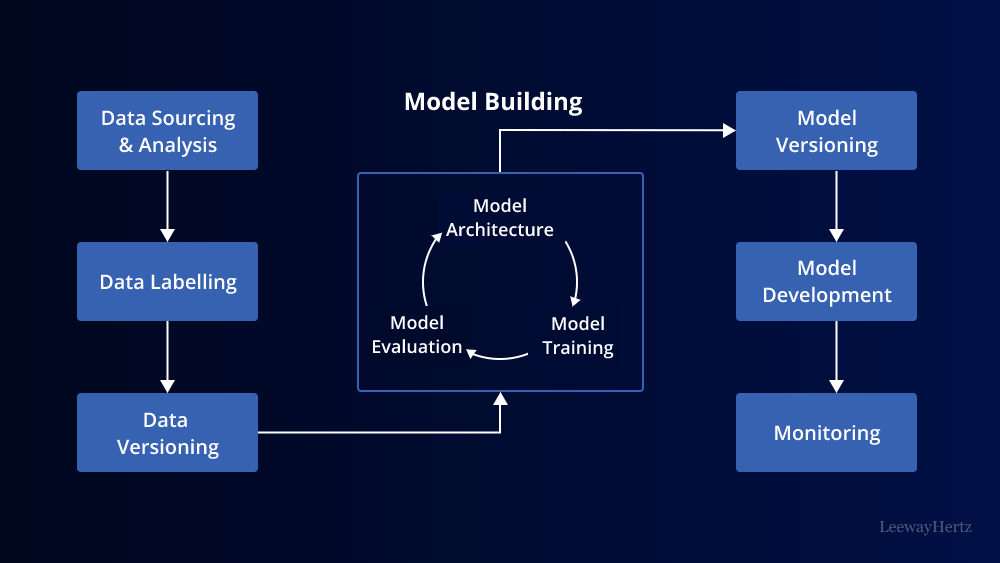
    Version control is a fundamental practice in software development, and it is equally important for ML models. Utilize version control systems (e.g., Git) to track changes in code, data, and model architectures. This ensures reproducibility and provides a historical record of model iterations.
  4. Continuous Integration and Continuous Deployment (CI/CD):
    Implement CI/CD pipelines to automate the integration and deployment of ML models. CI/CD helps ensure that changes to the code and models are automatically tested, validated, and deployed to production. This reduces the risk of errors and accelerates the delivery of updates.
  5. Automated Testing:
    Incorporate automated testing into your MLOps workflow. Test your ML models against various datasets to ensure their accuracy and robustness. Unit tests, integration tests, and end-to-end tests are crucial for identifying and addressing potential issues early in the development cycle.
  6. Monitoring and Alerting:
    Monitoring ML models in production is vital to detect anomalies and performance degradation. Implement monitoring and alerting systems to track key performance metrics and trigger alerts when the model’s behavior deviates from expectations. This allows for prompt corrective actions.
  7. Model Performance Tracking:
    Continuously measure and track the performance of ML models in real-world scenarios. Utilize performance monitoring tools and gather feedback from users to identify areas of improvement and fine-tune the models for better results.
  8. Automated Retraining:
    Data is dynamic, and ML models may degrade in performance over time. Implement automated retraining pipelines to periodically update the models with fresh data. This ensures that the models remain relevant and accurate in changing environments.
  9. Model Explainability and Interpretability:
    Interpretable ML models are crucial, especially in domains with regulatory requirements or high stakes. Incorporate techniques for model explainability to understand the factors driving the model’s predictions, gaining trust from stakeholders and users.
  10. Security and Privacy:
    ML models can be vulnerable to attacks or privacy breaches. Implement robust security measures to safeguard models and data, especially when dealing with sensitive information. Use encryption, access controls, and secure communication protocols to protect your ML infrastructure.
  11. Documentation and Knowledge Sharing:
    Maintain comprehensive documentation throughout the MLOps lifecycle. This includes model architectures, codebase, data preprocessing steps, and deployment procedures. Encourage knowledge sharing within the team to ensure everyone is on the same page.

Conclusion:

MLOps implementation requires a well-structured approach and collaboration among different teams. By following the key steps outlined in this article, you can create a seamless integration of ML models into production systems. MLOps not only improves model performance but also enhances the overall efficiency of the development process. Remember, successful MLOps is an ongoing process that demands continuous monitoring, optimization, and adaptability to changing business needs.

To Learn More:- https://www.leewayhertz.com/mlops-pipeline/

How to Use the Decision Transformer in a Transformer

Transformers have revolutionized the field of natural language processing (NLP) and have found applications in various domains such as language translation, text generation, and sentiment analysis. They are powerful models based on the attention mechanism that can capture long-range dependencies in sequential data. One recent advancement in transformer-based models is the Decision Transformer, which goes beyond traditional tasks and introduces a novel approach to handling decision-making processes. In this article, we will explore how to use the Decision Transformer in a transformer-based model.

Understanding the Decision Transformer:

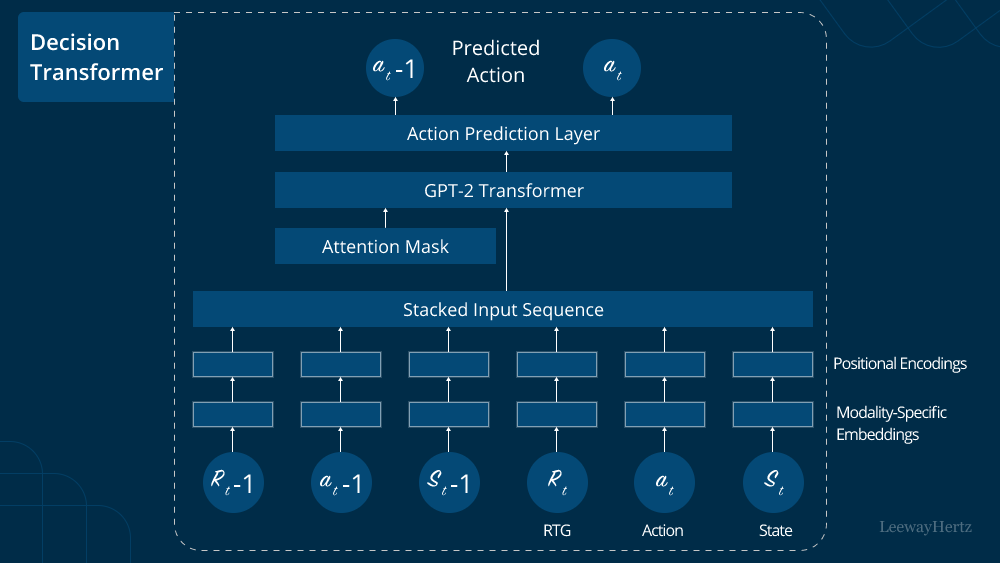
The Decision Transformer is an extension of the traditional transformer architecture, which incorporates decision-making capabilities into the model. It was introduced to address problems where sequential data is intertwined with decisions at various stages. Such tasks could include chat-based dialogue systems, recommendation systems, and interactive game-playing agents.

The Decision Transformer introduces two main components: the decision block and the decision pointer. The decision block is responsible for encoding the decision context, while the decision pointer is utilized to select the appropriate decision at each decision-making step.

Step 1: Data Preparation:

As with any machine learning task, data preparation is a crucial step. The decision-making task should be formulated in such a way that the input sequence incorporates both the raw sequential data and the decision context. Additionally, the decision options must be defined for each decision point in the data.

Step 2: Model Architecture:

To utilize the Decision Transformer, we need to modify the standard transformer architecture slightly. Specifically, we must incorporate the decision block and the decision pointer into the model. The decision block can be added as an additional layer in the encoder to process the decision context, while the decision pointer is a learnable parameter that is utilized to select the decision at each decision-making step.

Step 3: Input Encoding:

During the input encoding step, we prepare the data to be fed into the Decision Transformer. The sequential data is encoded in the same way as in a traditional transformer. However, for the decision context, we may represent it as a separate embedding or append it to the input sequence with special tokens to distinguish it from the raw data.

Step 4: Decision Context Processing:

In the decision block, the decision context is processed to capture the relevant information for decision-making. This could involve passing the context through a series of feed-forward layers or employing a self-attention mechanism to extract relevant features.

Step 5: Decision Pointer:

The decision pointer is a crucial component that determines the decision to be made at each step. It takes into account the encoded decision context and generates a probability distribution over the available decision options. The decision with the highest probability is then selected.

Step 6: Training:

During the training process, the model is optimized to make accurate decisions based on the input sequence and the decision context. The model’s parameters, including the decision pointer, are updated using backpropagation and an appropriate loss function.

Step 7: Inference:

Once the Decision Transformer is trained, it can be used for making decisions on new input sequences. During inference, the model follows the same process as during training, but instead of updating parameters, it utilizes the learned weights to make decisions based on the given input and decision context.

Conclusion:

The Decision Transformer is a promising extension of the traditional transformer architecture that enables models to perform decision-making tasks alongside sequential data processing. By incorporating decision blocks and decision pointers, the model can effectively make decisions based on the input sequence and the provided decision context. As the field of NLP continues to advance, the Decision Transformer opens up new possibilities for interactive and dynamic applications, ranging from chatbots with decision-making capabilities to personalized recommendation systems. With further research and development, the Decision Transformer is likely to play a vital role in enhancing the capabilities of transformer-based models in the future.

To Learn More:- https://www.leewayhertz.com/decision-transformer/

Action Transformer Model: Enabling Dynamic Decision-making in NLP

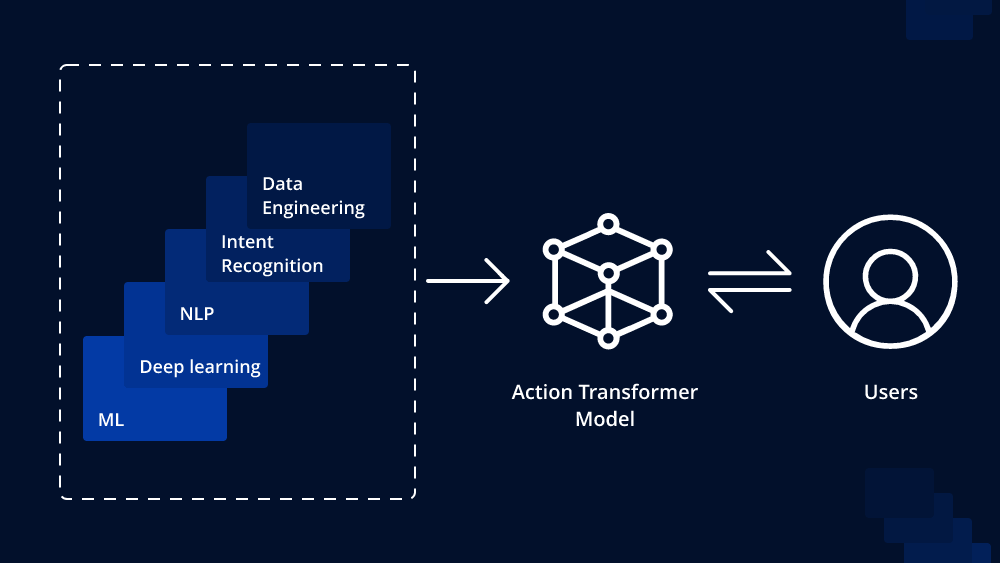
In recent years, Transformer models have revolutionized the field of natural language processing (NLP) by achieving impressive results in various tasks such as language translation, text generation, and sentiment analysis. One fascinating extension of the traditional Transformer architecture is the Action Transformer model. Developed as an innovative approach to incorporate dynamic actions into the language modeling process, the Action Transformer introduces a new dimension to contextual understanding and decision-making.

Understanding Transformers: A Brief Overview

Before delving into the workings of the Action Transformer model, let’s briefly review the fundamentals of Transformers. Originally introduced by Vaswani et al. in 2017, Transformers leverage self-attention mechanisms to process input sequences. This allows the model to weigh the importance of different words in the context of the entire sentence, enabling better long-range dependencies and contextual understanding.

The core of a Transformer consists of an encoder-decoder architecture. The encoder processes input sequences and generates contextualized embeddings, while the decoder utilizes those embeddings to generate the desired output.

Introducing Action Transformers

While standard Transformers excel at capturing context, they lack explicit mechanisms for incorporating actions or dynamic decision-making. Action Transformers address this limitation by extending the Transformer with action-specific components, making it suitable for tasks that involve sequential decision-making or action-based outcomes.

Action Embeddings

The Action Transformer introduces action embeddings, which are representations of specific actions associated with the input sequence. These action embeddings are learned during the training process and are combined with word embeddings to provide a more comprehensive understanding of the context.

For example, in a machine translation scenario, the action embeddings could represent the actions of “translate,” “copy,” or “ignore” for each word in the source sentence. This additional information helps the model make informed decisions during the translation process, leading to more accurate and contextually appropriate translations.

Action Mechanism

The Action Transformer incorporates an action mechanism that enables the model to dynamically adjust its behavior based on the given action embeddings. This mechanism involves incorporating action information at different stages of the Transformer’s processing.

During self-attention, the model pays attention not only to words in the input sequence but also to the associated action embeddings. This dual attention allows the model to weigh both words and actions when generating contextualized embeddings, resulting in a more comprehensive understanding of the context.

Dynamic Decision-making

One of the primary advantages of the Action Transformer is its ability to perform dynamic decision-making at each step of the sequence. Traditional Transformers generate output based solely on the input context, but Action Transformers use the additional action information to determine appropriate actions to take during inference.

Continuing with the machine translation example, the Action Transformer can decide to translate a word, copy it as-is from the source, or ignore it entirely based on the specific action embeddings provided. This enables the model to handle out-of-vocabulary words, improve translation accuracy, and handle various translation scenarios more effectively.

Applications of Action Transformers

Action Transformers have shown significant promise in various real-world applications. Some notable uses include:

  1. Machine Translation: As mentioned earlier, Action Transformers enhance the translation process by dynamically deciding how to handle each word based on specific translation actions.
  2. Dialogue Generation: In conversational AI systems, Action Transformers can generate responses while considering the conversational context and action instructions like “clarify,” “elaborate,” or “summarize.”
  3. Image Captioning: When describing images, Action Transformers can determine whether to focus on specific objects, attributes, or relationships in the scene, leading to more informative captions.

Conclusion

The Action Transformer model represents an exciting advancement in the field of NLP, combining the power of the Transformer architecture with dynamic decision-making capabilities. By incorporating action embeddings and mechanisms, the model achieves more contextually relevant outputs, making it a valuable asset for various tasks involving sequential actions and dynamic contexts. As research in this area progresses, we can expect to see even more sophisticated applications and improved performance in a wide range of NLP domains.

To Learn More:- https://www.leewayhertz.com/action-transformer-model/

Exploratory Data Analysis (EDA): Methods and Techniques

Exploratory Data Analysis (EDA) is a crucial step in the data analysis process, allowing data scientists and analysts to gain a deeper understanding of their datasets. It involves visually and statistically exploring the data to discover patterns, relationships, and insights that might not be immediately evident. EDA plays a pivotal role in the early stages of data analysis, helping to guide further analysis, hypothesis testing, and model building. In this article, we will delve into what EDA is, its importance, and some common methods and techniques used in this exploratory process.

What is Exploratory Data Analysis (EDA)?
Exploratory Data Analysis is the process of examining and summarizing a dataset to identify patterns, trends, and potential relationships between variables. It aims to gain an intuitive understanding of the data and any underlying structures it may contain. EDA helps researchers and analysts to assess the quality of the data, identify outliers or missing values, and determine the appropriate techniques for further analysis.

Importance of Exploratory Data Analysis:
EDA is a crucial preliminary step in any data analysis project for several reasons:

  1. Data Cleaning and Preprocessing: EDA helps in identifying missing or inconsistent data, allowing data scientists to perform necessary data cleaning and preprocessing tasks before proceeding with analysis.
  2. Feature Selection: By examining the relationships between variables, EDA aids in selecting the most relevant features or variables for building predictive models, reducing computational costs, and improving model performance.
  3. Detecting Outliers and Anomalies: EDA techniques help in the identification of outliers and anomalies that might significantly impact the results of subsequent analyses.
  4. Pattern Identification: EDA allows data scientists to uncover patterns and trends in the data, which can lead to valuable insights and hypotheses for further investigation.
  5. Data Visualization: Visualization is a critical aspect of EDA, as it helps to present complex information in a more understandable and intuitive manner.

Common Methods and Techniques in Exploratory Data Analysis:

  1. Summary Statistics: Summary statistics provide a concise overview of the main characteristics of the data, such as the mean, median, standard deviation, minimum, maximum, and quartiles. These statistics help to understand the central tendency and spread of the data.
  2. Data Visualization: Data visualization techniques include scatter plots, histograms, box plots, line charts, and heatmaps, among others. Visualization allows analysts to observe patterns, outliers, and distributions in the data.
  3. Correlation Analysis: Correlation analysis is used to measure the strength and direction of the linear relationship between two or more variables. It helps identify variables that are highly correlated, which can be useful for feature selection or multicollinearity assessment.
  4. Outlier Detection: Outliers are data points that deviate significantly from the rest of the dataset. EDA methods like box plots or scatter plots can aid in identifying outliers that might require further investigation.
  5. Dimensionality Reduction: Dimensionality reduction techniques like Principal Component Analysis (PCA) or t-SNE can be applied to visualize high-dimensional data in lower dimensions, making it easier to understand and explore.
  6. Data Imputation: EDA can reveal missing values in the dataset. Depending on the analysis objectives, different imputation techniques can be used to handle missing data appropriately.
  7. Clustering: Clustering algorithms group similar data points together based on their features. EDA can be used to visualize clusters and assess their separability.
  8. Distribution Fitting: EDA can involve fitting the data to probability distributions, helping to model and understand the underlying data distribution.

Conclusion:

Exploratory Data Analysis is an indispensable step in the data analysis process. By utilizing various methods and techniques, analysts can gain valuable insights into their datasets, identify patterns, and formulate hypotheses for further investigation. Proper EDA enhances the accuracy and efficiency of subsequent analyses, leading to more informed decision-making and better outcomes in data-driven projects.

To Learn More:- https://www.leewayhertz.com/what-is-exploratory-data-analysis/

How to Build Machine Learning Apps

In today’s digital era, machine learning has become an integral part of numerous applications across various industries. From personalized recommendations to fraud detection, machine learning has transformed the way we interact with technology. Building machine learning apps may seem like a daunting task, but with the right approach and tools, it becomes a rewarding experience. In this guide, we’ll explore the key steps to develop machine learning apps, empowering you to harness the power of artificial intelligence.

  1. Define the Objective

Before diving into development, it’s essential to clearly define the objective of your machine learning app. Determine the problem you want to solve and how machine learning can contribute to the solution. Whether it’s predicting customer preferences or automating mundane tasks, a well-defined objective sets the foundation for a successful project.

  1. Data Collection and Preprocessing

Data is the fuel that powers machine learning algorithms. Gather relevant data from reliable sources, ensuring it’s of high quality and representative of the problem at hand. Preprocess the data to handle missing values, outliers, and normalize features to create a clean dataset. Data preprocessing significantly impacts the accuracy and performance of your machine learning model.

  1. Choose the Right Algorithm

Selecting the appropriate machine learning algorithm is crucial for achieving accurate results. Depending on your objective and data type, you can choose from various algorithms like decision trees, support vector machines, neural networks, and more. Consider experimenting with different algorithms to determine the best fit for your application.

  1. Model Training

The training phase involves feeding the preprocessed data into the chosen machine learning algorithm. This is where the model learns patterns and relationships from the data. Split the dataset into training and testing sets to evaluate the model’s performance accurately. Continuously monitor the training process to fine-tune hyperparameters and avoid overfitting or underfitting.

  1. Integration with the Application

After the model is trained and evaluated, integrate it into your application. There are several ways to achieve this. For web applications, frameworks like Flask or Django in Python can be used, while for mobile apps, you can leverage platforms like TensorFlow Lite or Core ML. Ensure the integration is seamless and optimized for real-time performance.

  1. Implement User Interface

A user-friendly interface is critical for the success of any application. Design an intuitive and visually appealing interface that allows users to interact with the machine learning features effortlessly. Clearly present the app’s purpose and results to users, making the AI-driven functionalities transparent and understandable.

  1. Deploy and Monitor

Deploying your machine learning app is a crucial step in making it accessible to users. Depending on your requirements, you can host it on cloud services like AWS, Azure, or Google Cloud Platform, or deploy it on-premises. Regularly monitor the app’s performance and user feedback to identify potential issues and improve its functionality.

  1. Ensure Data Privacy and Security

As machine learning apps often deal with sensitive user data, it’s crucial to prioritize data privacy and security. Implement encryption and access controls to safeguard user information. Additionally, comply with relevant data protection regulations to build trust with your users.

  1. Continuous Improvement

Machine learning models are not static; they require constant updates and improvements. Keep monitoring the performance of your app and collect user feedback to identify areas for enhancement. Regularly update the model to incorporate new data and improve accuracy.

Conclusion

Building a machine learning app may seem like a complex endeavor, but with careful planning and execution, it can lead to transformative solutions. Define your objectives clearly, gather relevant data, choose the right algorithms, and implement a user-friendly interface. Deploy the app, ensure data privacy, and continuously improve its performance to deliver a valuable experience to your users. Embrace the power of machine learning and unleash its potential in crafting innovative applications for a brighter future.

To Learn More:- https://www.leewayhertz.com/how-to-build-a-machine-learning-app/

10 Ways Generative AI is Revolutionizing Healthcare

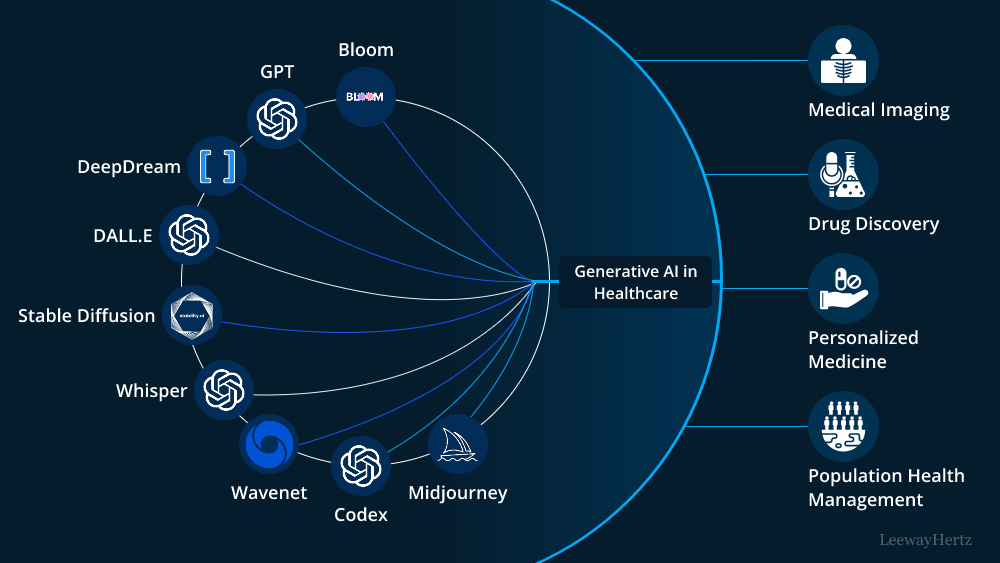
Generative Artificial Intelligence (AI) has emerged as a powerful tool in the field of healthcare, transforming the way we diagnose, treat, and manage diseases. By leveraging the capabilities of machine learning and neural networks, generative AI has the potential to revolutionize healthcare and improve patient outcomes. Here are 10 ways in which generative AI is making a significant impact in healthcare:

  1. Disease Diagnosis: Generative AI can analyze vast amounts of medical data, including images, lab results, and patient records, to assist in the diagnosis of diseases. By identifying patterns and anomalies, generative AI algorithms can help healthcare professionals make more accurate and timely diagnoses, leading to improved treatment outcomes.
  2. Medical Imaging: Interpreting medical images is a complex task that often requires expertise and time. Generative AI algorithms can analyze medical images such as X-rays, MRIs, and CT scans, helping radiologists detect abnormalities and early signs of diseases. This technology enables faster and more accurate diagnoses, leading to timely interventions.
  3. Drug Discovery: Developing new drugs is a time-consuming and costly process. Generative AI algorithms can expedite the drug discovery process by analyzing vast amounts of chemical and biological data, identifying potential drug candidates, and predicting their efficacy and safety profiles. This can significantly accelerate the development of new treatments and therapies.
  4. Personalized Medicine: Generative AI can analyze individual patient data, including genetic information, medical history, and lifestyle factors, to develop personalized treatment plans. By considering a patient’s unique characteristics, generative AI algorithms can optimize treatment outcomes and minimize adverse effects.
  5. Virtual Assistants: Generative AI-powered virtual assistants can help patients and healthcare professionals by providing personalized recommendations, answering health-related questions, and offering reminders for medication adherence and appointments. These virtual assistants can enhance patient engagement, improve communication, and streamline healthcare delivery.
  6. Prognostic Models: Generative AI can leverage predictive modeling techniques to estimate patient outcomes and disease progression. By analyzing patient data and clinical variables, generative AI algorithms can generate accurate prognostic models that assist healthcare professionals in making informed decisions about treatment plans and interventions.
  7. Medical Education and Training: Generative AI can be used as a valuable tool in medical education and training. Simulations and virtual patient scenarios powered by generative AI can help medical students and healthcare professionals practice their skills, enhance diagnostic capabilities, and learn complex procedures in a safe and controlled environment.
  8. Clinical Decision Support Systems: Generative AI algorithms can be integrated into clinical decision support systems, providing healthcare professionals with evidence-based recommendations and treatment guidelines. By considering a wide range of patient data and medical literature, these systems can assist in the decision-making process, leading to more standardized and effective care.
  9. Predictive Maintenance: Generative AI algorithms can be applied to medical equipment and devices to predict maintenance needs and prevent potential failures. By analyzing data from sensors and monitoring systems, generative AI can identify patterns and anomalies that indicate the need for maintenance or replacement, ensuring the reliability and availability of critical healthcare infrastructure.
  10. Mental Health Support: Generative AI-powered chatbots and virtual assistants can provide mental health support to individuals, offering counseling, monitoring emotional well-being, and providing resources for self-help. These tools can help bridge the gap in mental health services and provide accessible support to those in need.

Generative AI has tremendous potential to transform healthcare by improving diagnosis accuracy, accelerating drug discovery, enabling personalized treatments, and enhancing patient care. While there are challenges and ethical considerations to address, the integration of generative AI into healthcare systems holds the promise of a future where technology plays a crucial role in improving health outcomes and transforming the patient experience. As research and development in this field continue to advance, we can expect even more innovative applications of generative AI in healthcare, leading to a more efficient and patient-centered healthcare system.

To Learn More:- https://www.leewayhertz.com/generative-ai-in-healthcare