
In today’s rapidly evolving business landscape, effective inventory management is crucial for the success of any organization. The traditional methods of manual tracking and forecasting are becoming obsolete, paving the way for innovative solutions driven by artificial intelligence (AI). AI in inventory management is transforming the way businesses handle their stock, enhancing efficiency, reducing costs, and optimizing overall operations.
- Demand Forecasting:
One of the significant challenges in inventory management is predicting demand accurately. AI algorithms analyze historical data, market trends, and various external factors to generate more precise demand forecasts. This ensures that businesses can maintain optimal stock levels, minimizing the risk of overstocking or stockouts. The ability to anticipate customer demand leads to improved customer satisfaction and increased revenue.
- Automated Reordering:
AI-driven inventory management systems enable automated reordering processes. By setting up smart reorder points and utilizing predictive analytics, businesses can automatically place orders for replenishment when stock levels reach a predefined threshold. This not only reduces the likelihood of human error in manual ordering but also ensures that products are consistently available, preventing potential revenue losses due to stockouts.
- Dynamic Pricing:
AI plays a crucial role in implementing dynamic pricing strategies based on real-time market conditions, competitor pricing, and demand fluctuations. By adjusting prices dynamically, businesses can optimize profit margins and clear excess inventory efficiently. This proactive pricing approach helps companies stay competitive and agile in the market.
- Warehouse Automation:
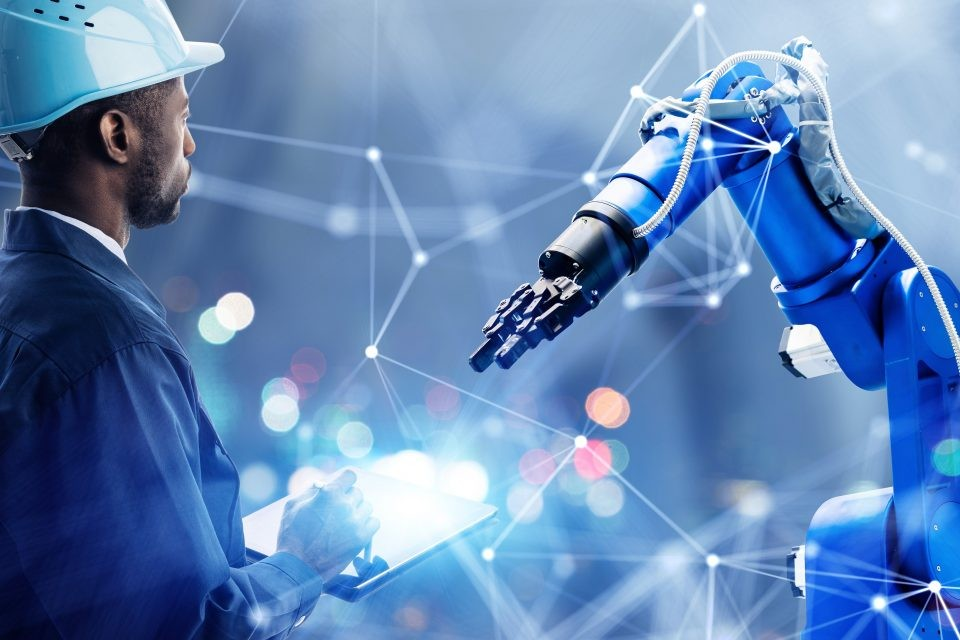
Incorporating AI into inventory management extends beyond forecasting and ordering; it includes streamlining warehouse operations. Robotics and automation powered by AI enhance the efficiency of tasks such as picking, packing, and shipping. Automated guided vehicles (AGVs) and robotic arms can navigate through warehouses, reducing the time and labor required for these processes.
- Data Analytics for Insights:
AI-driven analytics provide valuable insights into inventory performance. Businesses can analyze data on product sales, customer behavior, and market trends, facilitating informed decision-making. These insights help optimize inventory levels, identify slow-moving items, and strategize for seasonal demand fluctuations.
- Preventing Stockouts and Overstock:
AI algorithms continuously monitor inventory levels and adjust reorder points based on real-time data. This proactive approach minimizes the risk of stockouts, ensuring that products are available when customers demand them. On the flip side, AI helps prevent overstock situations by optimizing order quantities and aligning them with actual demand.
- Enhanced Supply Chain Visibility:
AI provides end-to-end visibility into the supply chain, allowing businesses to track the movement of products from suppliers to customers. This transparency helps in identifying potential bottlenecks, delays, or disruptions, enabling businesses to make quick and informed decisions to maintain a smooth supply chain.
Conclusion:
AI Development Services is revolutionizing inventory management by introducing unprecedented levels of accuracy, efficiency, and automation. Businesses that embrace AI in their inventory management processes are better positioned to adapt to market dynamics, reduce operational costs, and enhance overall customer satisfaction. As AI technology continues to evolve, its integration into inventory management systems will play a pivotal role in shaping the future of supply chain operations.
 Jasper's financial blog