Transforming Industrial Operations: The Impact of AI in Predictive Maintenance

In the realm of industrial operations, maintaining equipment and machinery is essential to prevent unexpected breakdowns and ensure continuous production. Traditional maintenance approaches, such as preventive or reactive methods, are being revolutionized by the incorporation of Artificial Intelligence (AI) in predictive maintenance. This article delves into the significance of AI in predictive maintenance and highlights the crucial role played by AI development services in implementing and optimizing these cutting-edge solutions.

The Role of AI in Predictive Maintenance:

  1. Condition Monitoring:
    AI-powered sensors and monitoring devices collect real-time data on equipment conditions. Machine learning algorithms analyze this data to identify patterns and anomalies, enabling early detection of potential issues before they escalate into major problems.
  2. Predictive Analytics:
    AI algorithms utilize historical data, equipment performance metrics, and environmental factors to predict when machinery is likely to fail. This enables organizations to schedule maintenance activities proactively, minimizing downtime and reducing overall maintenance costs.
  3. Prescriptive Maintenance:
    AI not only predicts potential failures but also provides recommendations on the best course of action. This helps maintenance teams understand the root causes of issues and implement targeted interventions to prevent recurring problems.
  4. Optimizing Maintenance Schedules:
    AI considers various factors, including production schedules, equipment usage patterns, and historical maintenance data, to optimize maintenance schedules. This ensures that maintenance activities are conducted at the most opportune times to minimize disruption to operations.
  5. Cost Reduction and Efficiency:
    By shifting from reactive or preventive maintenance to a predictive model, organizations can significantly reduce unplanned downtime and extend the lifespan of equipment. This leads to cost savings and improves overall operational efficiency.

Significance of AI Development Services:

  1. Tailored Solutions:
    AI development services provide organizations with the capability to design and implement predictive maintenance solutions tailored to their specific needs. Customized algorithms and models can be created to address the unique challenges of different industries and equipment.
  2. Integration with Existing Systems:
    Professional AI development services ensure seamless integration with existing maintenance management systems and equipment. This integration allows for a smooth transition to AI-driven predictive maintenance, leveraging the benefits of both new and legacy systems.
  3. Continuous Improvement:
    AI development services support ongoing improvement and refinement of predictive maintenance models. Regular updates based on feedback and evolving data ensure that the AI system continues to provide accurate predictions and recommendations.
  4. Scalability:
    As industrial operations grow, AI development services facilitate the scalability of predictive maintenance solutions. The system can adapt to increasing data volumes and the addition of new equipment without compromising performance.

Conclusion:

The adoption of AI in predictive maintenance marks a significant advancement in industrial operations, offering a proactive and data-driven approach to equipment maintenance. The synergy between AI and predictive maintenance not only enhances equipment reliability but also contributes to cost savings and improved overall productivity. AI development services play a pivotal role in this transformation, empowering organizations to harness the full potential of AI technologies for predictive maintenance tailored to their specific requirements. As industries continue to embrace these innovations, the landscape of maintenance practices is evolving towards a more efficient and sustainable future.
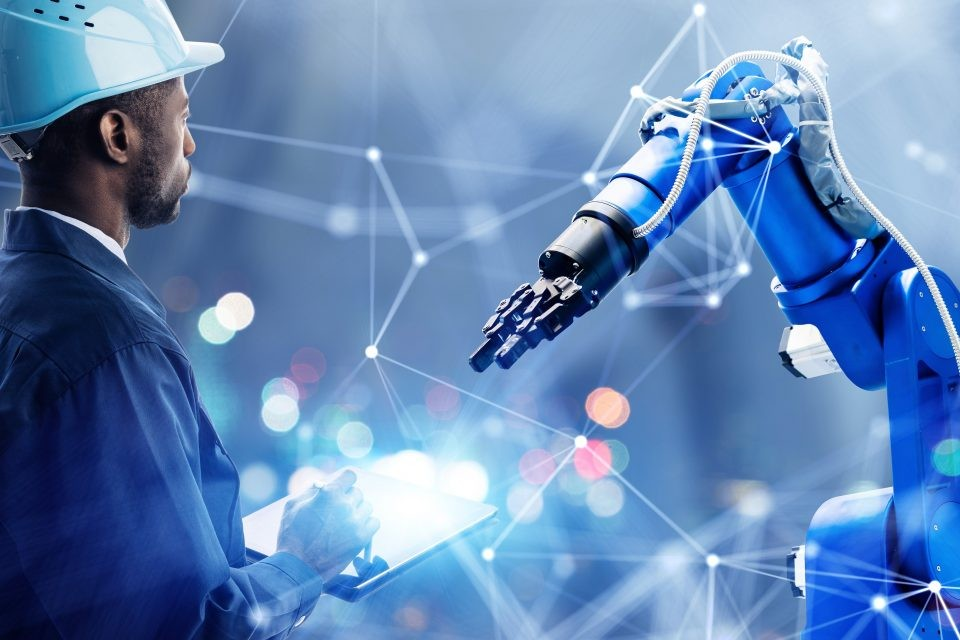
Revolutionizing Manufacturing: The Transformative Impact of AI in Predictive Maintenance, Inventory Management, Production Planning, and Procurement

In recent years, Artificial Intelligence (AI) has emerged as a game-changer in the manufacturing industry, offering innovative solutions to enhance efficiency, reduce costs, and optimize processes. In this article, we will explore the transformative impact of AI in four critical areas of manufacturing: Predictive Maintenance, Inventory Management, Production Planning, and Procurement.

AI in Predictive Maintenance: Enhancing Equipment Reliability

Predictive maintenance powered by AI is revolutionizing how manufacturers approach equipment maintenance. Instead of traditional reactive or scheduled maintenance, AI analyzes real-time data from sensors and machinery to predict potential issues before they escalate. This proactive approach not only reduces downtime but also extends the lifespan of machinery, ultimately cutting maintenance costs.

By employing machine learning algorithms, AI systems can recognize patterns and anomalies in equipment behavior. This allows manufacturers to schedule maintenance tasks precisely when needed, avoiding unnecessary disruptions to the production process. In essence, AI in predictive maintenance is a predictive and cost-effective strategy that ensures optimal performance and reliability of manufacturing equipment.

AI in Inventory Management: Streamlining Supply Chains

Managing inventory efficiently is crucial for maintaining smooth operations in manufacturing. AI offers advanced solutions for optimizing inventory levels, preventing stockouts, and reducing excess inventory. Machine learning algorithms can analyze historical data, market trends, and other variables to predict demand accurately.

AI in inventory management systems can automate reorder processes, ensuring that materials are restocked just in time. This minimizes carrying costs, prevents overstock situations, and improves overall supply chain efficiency. Moreover, real-time data analysis allows manufacturers to respond promptly to changes in demand, reducing the risk of stockouts and production delays.

AI in Production Planning: Precision in Manufacturing Processes

AI plays a pivotal role in enhancing production planning by providing real-time insights and optimizing various manufacturing processes. Advanced algorithms can analyze complex datasets to forecast production demands, allowing manufacturers to allocate resources efficiently.

Through AI in production planning, manufacturers can optimize production schedules, reduce lead times, and minimize waste. This not only improves overall operational efficiency but also enhances the adaptability of manufacturing processes to changing market demands. AI’s ability to learn from historical data and adapt to dynamic conditions positions it as a key player in the pursuit of precision and flexibility in production planning.

AI in Procurement: Smart Sourcing for Cost Efficiency

In procurement, AI is reshaping how manufacturers source materials, negotiate contracts, and manage supplier relationships. AI algorithms can analyze vast amounts of data to identify optimal suppliers based on factors such as cost, reliability, and quality. This not only streamlines the procurement process but also helps manufacturers make informed decisions to achieve cost efficiencies.

Additionally, AI in procurement enhances it by automating routine tasks such as invoice processing and contract management. This not only reduces the likelihood of errors but also allows procurement professionals to focus on strategic decision-making. The result is a more agile and responsive procurement process that contributes to overall cost savings and operational excellence.

Conclusion: A New Era of Manufacturing Efficiency

As AI continues to advance, its integration into manufacturing processes brings unprecedented levels of efficiency and optimization. Predictive maintenance, inventory management, production planning, and procurement are just a few areas where AI is proving to be a transformative force. Manufacturers embracing these technologies are not only reaping the benefits of reduced costs and increased productivity but are also positioning themselves at the forefront of a new era in manufacturing. The strategic implementation of AI in these key areas promises to shape the future of the industry, making manufacturing smarter, more agile, and more responsive to the demands of a rapidly evolving global market.