
The digital transformation landscape has witnessed a remarkable synergy between artificial intelligence and cloud computing technologies, creating a paradigm shift in how organizations manage their IT infrastructure. This convergence represents more than mere technological advancement—it signifies a fundamental reimagining of computational resources and intelligent processing capabilities. As enterprises increasingly migrate operations to cloud environments, the integration of AI capabilities has become essential rather than optional, enabling unprecedented levels of automation, optimization, and innovation.
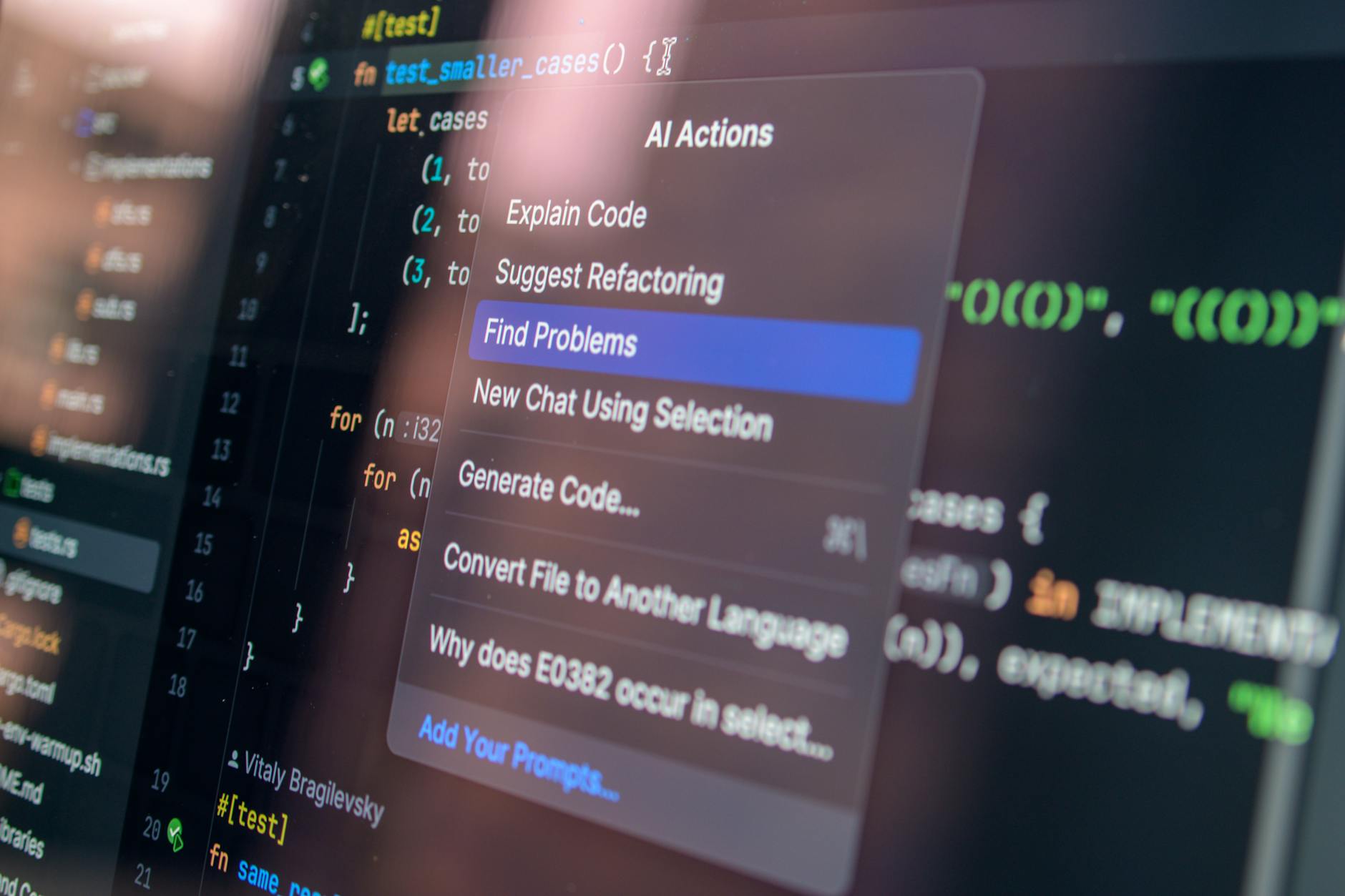
Cloud computing initially revolutionized enterprise IT by offering scalable resources on-demand, reducing capital expenditures, and providing flexibility in deployment models. The introduction of AI into this equation has elevated these platforms from simple resource providers to intelligent systems capable of self-optimization, predictive analytics, and autonomous decision-making. This evolution has transformed cloud environments from static infrastructure components into dynamic ecosystems that learn, adapt, and improve continuously based on usage patterns and performance metrics.
Today’s AI-powered cloud platforms leverage machine learning algorithms to analyze vast amounts of data generated across enterprise systems, identify patterns, and make informed decisions without human intervention. This capability has enabled organizations to move beyond basic cloud utilization to sophisticated implementations where AI algorithms optimize resource allocation, predict infrastructure failures, and automatically adjust configurations to meet changing demands. The result is a more resilient, efficient, and intelligent infrastructure that serves as the backbone for modern digital business operations.
Applications of AI in Cloud Computing
The practical applications of AI within cloud environments span numerous enterprise functions, delivering measurable improvements across operational efficiency, customer experience, and strategic decision-making. One critical application is infrastructure optimization, where AI algorithms continuously analyze resource utilization patterns across cloud environments, automatically scaling compute, storage, and network resources based on real-time demand. This intelligent resource allocation prevents over-provisioning that leads to wasted expenditure while ensuring adequate capacity during peak periods, resulting in significant cost reductions and improved performance.
Another transformative application is in data analytics and business intelligence. Cloud platforms equipped with AI capabilities can process and analyze enormous datasets far beyond the scope of traditional analytics tools, uncovering insights that drive strategic decision-making. These systems identify complex patterns, correlations, and anomalies within data that would remain undetected through conventional analysis, providing organizations with a competitive edge in market positioning, customer targeting, and operational efficiency.
Security represents a domain where AI-cloud integration delivers substantial value. Machine learning algorithms deployed in cloud environments continuously monitor network traffic, user behavior, and system logs to detect potential security threats with greater accuracy than rule-based systems. These AI-powered security solutions can identify sophisticated attack patterns, predict potential vulnerabilities, and automatically implement defensive measures, significantly reducing response times and mitigating risks that traditional security approaches might miss.
Operational Mechanics of AI in Cloud Environments
The operational framework enabling AI in cloud computing involves a sophisticated architecture where machine learning models are trained on distributed data sets and deployed across cloud infrastructure to perform specific functions. This process begins with data collection from various enterprise systems, followed by preprocessing and feature engineering to prepare the data for model training. The cloud environment provides the computational power necessary to handle these resource-intensive tasks, allowing organizations to develop, test, and refine AI models without significant upfront investment in specialized hardware.
Once trained, AI models are deployed as microservices within the cloud infrastructure, where they operate continuously to analyze incoming data streams and generate insights or automate decisions. These models leverage containerization and orchestration technologies to ensure scalability, fault tolerance, and efficient resource utilization. The distributed nature of cloud computing enables AI systems to process data closer to its source, reducing latency and improving response times while maintaining data consistency across the enterprise ecosystem.
The feedback loop inherent in AI systems creates a continuous improvement cycle where model performance is monitored, new data is incorporated, and algorithms are refined over time. This self-learning capability distinguishes AI-powered cloud systems from traditional software solutions, as they become increasingly accurate and effective with continued use. The cloud environment provides the ideal substrate for this evolution, offering virtually unlimited storage capacity, elastic computing resources, and sophisticated monitoring tools that support the complex operational requirements of advanced AI implementations.
Key Benefits of AI-Powered Cloud Solutions
Organizations implementing AI capabilities within their cloud environments realize substantial financial advantages through optimized resource utilization and reduced operational overhead. By dynamically adjusting resources based on actual demand rather than projected peaks, AI-driven cloud systems can reduce infrastructure costs by 30-50% compared to traditional static approaches. This cost efficiency extends beyond simple resource allocation to include reduced labor costs through automation of routine infrastructure management tasks, allowing IT personnel to focus on strategic initiatives rather than maintenance activities.
The scalability and flexibility offered by AI-enhanced cloud solutions enable organizations to respond rapidly to changing market conditions and business requirements. Unlike traditional infrastructure that requires extensive planning and capital expenditure for expansion, AI-powered cloud environments can scale resources in minutes to accommodate sudden growth or seasonal fluctuations. This agility provides significant competitive advantages, allowing businesses to launch new services, enter new markets, and adapt to customer needs with unprecedented speed and efficiency.
Performance improvements represent another critical benefit, as AI systems continuously optimize cloud configurations to deliver optimal application performance and user experiences. These systems analyze performance metrics across all components of the infrastructure, identifying bottlenecks and implementing adjustments that maintain consistent service quality even under variable loads. Additionally, the predictive capabilities of AI enable proactive identification of potential performance issues before they impact users, further enhancing reliability and user satisfaction while reducing the risk of costly service disruptions.
Implementation Considerations and Best Practices
Successful integration of AI capabilities within cloud environments requires careful planning and strategic alignment with business objectives. Organizations must first assess their current cloud maturity and data infrastructure to identify gaps that might impede AI implementation. This evaluation should include data quality assessment, existing security protocols, integration requirements with legacy systems, and the availability of skilled personnel capable of managing both cloud infrastructure and AI technologies.
Data governance represents a critical consideration in AI-cloud implementations, as these systems rely on vast quantities of data from across the enterprise. Organizations must establish clear policies for data collection, storage, access, and usage that ensure compliance with regulatory requirements while maintaining data quality and integrity. The distributed nature of cloud environments complicates these challenges, necessitating robust metadata management, comprehensive data lineage tracking, and automated monitoring for potential security vulnerabilities or compliance breaches.
A phased implementation approach typically yields the best results for organizations transitioning to AI-powered cloud solutions. This methodology begins with pilot programs targeting specific use cases with clear value propositions and measurable outcomes. Once these initial implementations demonstrate success, organizations can scale AI capabilities across additional functions while refining processes and addressing challenges encountered during the initial phase. This incremental approach mitigates risks, allows for course correction based on real-world experience, and builds organizational confidence in the technology before broader deployment.
The Future Trajectory of AI in Cloud Computing
The evolution of AI in cloud computing is accelerating rapidly, with emerging technologies poised to further transform enterprise infrastructure and operations. Edge computing represents a significant development in this trajectory, bringing AI capabilities closer to data sources at network periphery to reduce latency and enable real-time processing for time-sensitive applications. This distributed intelligence model complements centralized cloud resources, creating a hybrid architecture that leverages the strengths of both approaches while addressing specific use case requirements.
Federated learning is another emerging trend that will shape the future of AI-cloud integration. This approach allows AI models to be trained across multiple decentralized data sources without requiring raw data to be centralized, addressing critical privacy concerns while enabling collaborative model development. As organizations increasingly recognize data as a valuable asset, federated learning provides a mechanism for extracting insights from distributed data sources without compromising proprietary information or regulatory compliance requirements.
Looking ahead, the convergence of AI and cloud computing will increasingly focus on autonomous systems capable of self-governance, self-optimization, and autonomous recovery without human intervention. These next-generation cloud environments will feature AI agents that continuously monitor and adjust every aspect of the infrastructure, from hardware performance to application security, creating truly self-managing enterprises. This evolution represents the culmination of decades of technological advancement, delivering on the promise of cloud computing while establishing a new paradigm for intelligent, adaptive infrastructure that drives innovation and competitive advantage in the digital economy.
 Jasper's financial blog