How to Implement an Action Transformer?

The field of natural language processing (NLP) has witnessed significant advancements in recent years, and one of the breakthroughs in this domain is the Action Transformer Model. An Action Transformer is an extension of the traditional Transformer model, which has proven to be highly effective in various NLP tasks such as language translation, text summarization, and sentiment analysis. The Action Transformer takes this one step further by incorporating explicit reasoning and decision-making capabilities, making it particularly useful for tasks that involve multi-step actions or dynamic environments.
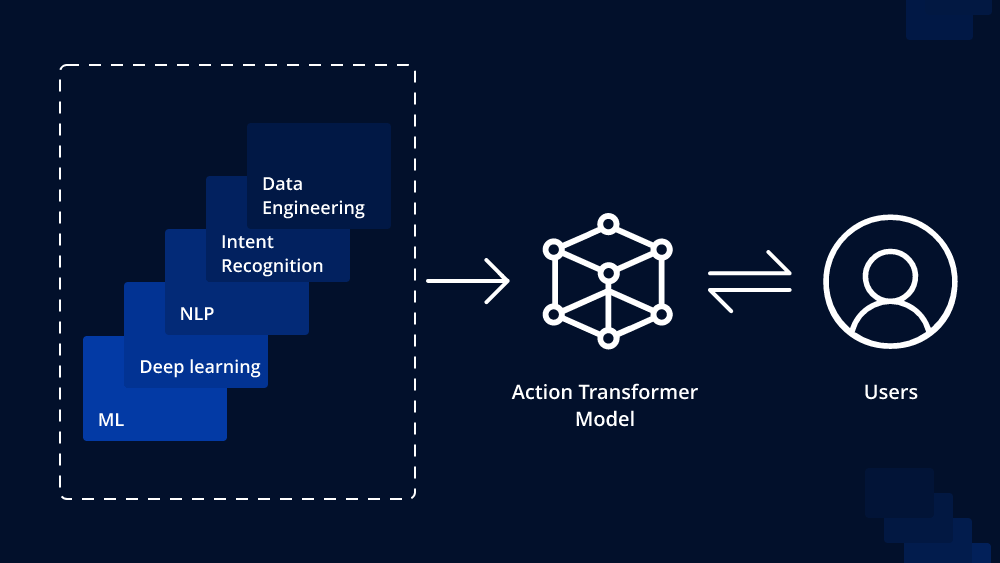
Understanding the Action Transformer Model

The Action Transformer Model is built upon the principles of the original Transformer architecture, which employs self-attention mechanisms to capture contextual information from input sequences. The primary difference lies in the incorporation of an “action space,” which allows the model to perform explicit reasoning steps and generate dynamic sequences of actions.

In traditional Transformers, the model operates on a fixed-length input sequence and generates a fixed-length output sequence. In contrast, the Action Transformer deals with sequences of variable lengths, allowing it to model dynamic processes and decision-making in a more flexible manner.

Key Components of an Action Transformer

  1. Input Representation: Just like in the original Transformer, the input sequence is first embedded into continuous vector representations using word embeddings. These embeddings serve as the initial input to the model.
  2. Action Space: The action space is a set of possible actions that the model can take at each step. These actions can be predefined or learned during the training process. The model generates a probability distribution over the action space at each decoding step, allowing it to make informed decisions.
  3. Action Decoder: The Action Transformer incorporates an action decoder that takes into account the action space probabilities and generates the next action. This decoder, coupled with the attention mechanism, enables the model to dynamically adapt its behavior based on the input and previous actions.
  4. Reinforcement Learning: To train an Action Transformer, reinforcement learning techniques are often employed. The model is trained to maximize a reward signal, which is provided based on the success of its generated actions in achieving the desired task.

Implementing an Action Transformer

Implementing an Action Transformer can be a complex task, but we can outline the general steps involved:

  1. Data Preprocessing: Prepare the dataset suitable for the task at hand, along with corresponding action spaces and rewards. Ensure that the input sequences and actions are appropriately tokenized.
  2. Architecture Design: Define the architecture of the Action Transformer, including the number of layers, attention mechanisms, and action decoder.
  3. Model Training: Train the model using a suitable optimization algorithm and reinforcement learning techniques. This involves updating the model’s parameters based on the reward signals received during the training process.
  4. Evaluation: Evaluate the model’s performance on a separate validation dataset. Fine-tune hyperparameters and make necessary adjustments to improve the model’s performance.
  5. Inference: Once the model is trained, it can be used for inference on new input sequences to generate desired action sequences.

Applications of Action Transformer

The Action Transformer Model finds applications in various fields, including:

  1. Dialogue Systems: Building chatbots or virtual assistants that can engage in dynamic and contextually relevant conversations.
  2. Robotics: Enabling robots to interact with their environments and perform multi-step tasks based on natural language commands.
  3. Gaming: Creating intelligent agents in video games that can adapt their actions based on the game state and user instructions.
  4. Process Automation: Automating complex tasks in business processes by breaking them down into actionable steps.

Conclusion

The Action Transformer Model represents a significant advancement in the field of natural language processing, incorporating explicit reasoning and decision-making capabilities. By extending the capabilities of the original Transformer architecture, the Action Transformer opens up new possibilities for addressing complex and dynamic NLP tasks. While implementing an Action Transformer can be challenging, the potential benefits in various applications make it a promising area of research and development. As NLP continues to evolve, we can expect the Action Transformer to play a crucial role in enabling machines to understand and generate human-like actions in response to natural language input.

To Learn More:- https://www.leewayhertz.com/action-transformer-model/
Services of an AI Chatbot Development Company

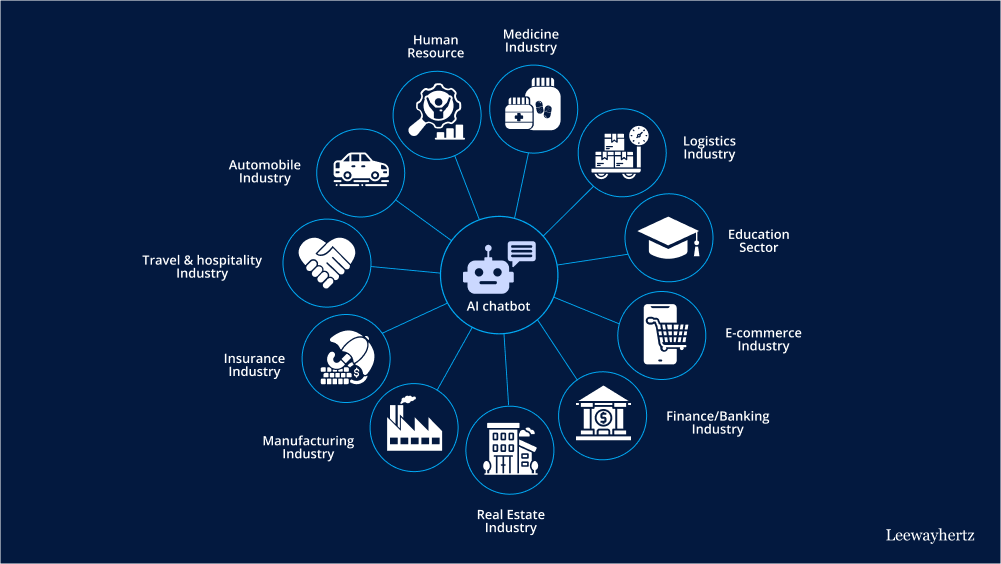
In the rapidly evolving landscape of technology, artificial intelligence (AI) has emerged as a powerful tool that significantly impacts various industries. Among the many applications of AI, chatbots have gained immense popularity due to their ability to enhance customer interactions, streamline business processes, and provide personalized assistance. As a result, AI chatbot development companies have emerged as key players in the software industry, offering a wide range of services to cater to the growing demand for intelligent conversational agents. In this article, we will explore the services provided by AI chatbot development companies and the ways in which they revolutionize businesses across different sectors.

1. Chatbot Development and Customization:

The primary service offered by AI chatbot development companies is the creation and customization of chatbots to suit the unique needs of each business. These companies employ teams of skilled developers and data scientists who use cutting-edge AI technologies, natural language processing (NLP), and machine learning algorithms to build intelligent chatbots. The development process involves understanding the specific requirements of the business, designing conversational flows, integrating with existing systems, and testing to ensure seamless functionality.

2. Industry-Specific Solutions:

AI chatbot development companies cater to a diverse range of industries, including e-commerce, healthcare, finance, customer support, and more. Each sector has its distinct set of challenges and customer expectations. As a result, these companies provide industry-specific chatbot solutions that are tailored to address the unique demands of each domain. For example, in the healthcare sector, chatbots may assist patients with medical inquiries and appointment scheduling, while in e-commerce, they may provide personalized product recommendations and support for online shopping.

3. Multilingual Chatbots:

With businesses expanding globally, the need for multilingual chatbots has become increasingly important. AI chatbot development companies offer services to create chatbots capable of communicating in multiple languages, ensuring seamless interactions with customers from diverse linguistic backgrounds. This capability not only improves customer experience but also widens the reach of businesses, facilitating interactions with a broader audience.

4. Integration with Platforms:

To maximize the efficiency of chatbots, integration with various platforms is crucial. AI chatbot development companies specialize in seamlessly integrating chatbots with websites, mobile applications, social media platforms, and messaging apps. This ensures that customers can interact with chatbots through their preferred channels, making the user experience more convenient and accessible.

5. Continuous Improvement and Maintenance:

The work of AI chatbot development companies doesn’t end with the deployment of chatbots. These companies offer ongoing maintenance and improvement services to ensure that the chatbots remain up-to-date and function optimally. Regular updates, bug fixes, and performance enhancements are part of this service. Additionally, as chatbots interact with users, they gather valuable data, which AI chatbot development companies can use to enhance the chatbot’s capabilities and improve its responses over time.

6. Data Security and Compliance:

AI chatbot development companies place a strong emphasis on data security and compliance. They implement robust security measures to safeguard sensitive user information and ensure compliance with data protection regulations and industry standards. This level of security and adherence to privacy laws fosters trust between businesses and their customers.

7. Analytics and Insights:

Data generated from chatbot interactions is a goldmine of valuable insights. AI chatbot development companies provide analytics services, analyzing the data to offer actionable insights into customer behavior, preferences, and pain points. These insights enable businesses to make informed decisions, enhance their offerings, and improve overall customer satisfaction.

In conclusion, AI chatbot development companies play a pivotal role in reshaping the way businesses interact with their customers. By offering a range of services, from building and customizing chatbots to integrating them with various platforms and providing ongoing support, these companies empower businesses to deliver exceptional customer experiences, increase efficiency, and stay ahead in the competitive market. As technology continues to advance, the services provided by AI chatbot development companies will undoubtedly evolve, driving further innovation and transformation across industries.

To Learn More:- https://www.leewayhertz.com/ai-chatbot-development-company/

Applications of Generative AI Image Models for Image Synthesis

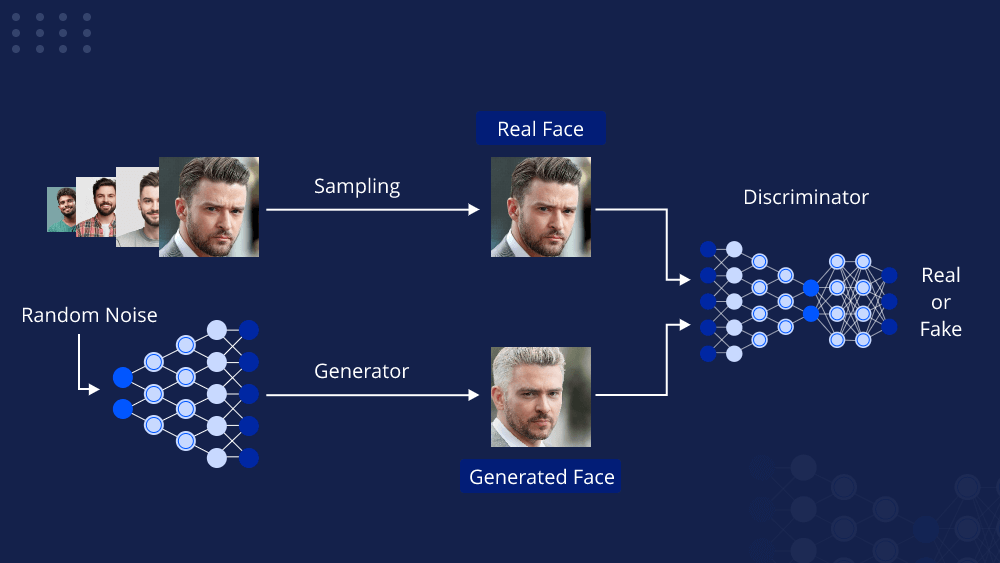
Generative AI image models, often powered by cutting-edge deep learning techniques, have revolutionized the field of computer vision and image synthesis. These models, also known as generative adversarial networks (GANs), variational autoencoders (VAEs), and autoregressive models, have shown remarkable capabilities in generating high-quality, realistic images from scratch. In this article, we will explore the diverse applications of generative AI image models and how they have transformed various industries.

  1. Art and Creativity

Generative AI image models have unlocked unprecedented artistic possibilities. Artists and designers can now use these models as creative tools to generate new artwork, generate novel design concepts, and even reimagine historical masterpieces. By providing the AI model with specific parameters and constraints, artists can direct the style, theme, and elements of the artwork, while still benefiting from the model’s ability to generate unique and imaginative results.

  1. Gaming and Animation

The gaming and animation industries have embraced generative AI image models to create visually stunning graphics and lifelike characters. By using GANs, developers can efficiently generate realistic textures, landscapes, and characters, reducing the time-consuming manual design process. Moreover, AI-powered characters can adapt and evolve based on player interactions, leading to dynamic and immersive gaming experiences.

  1. Fashion and Retail

Generative AI models have also found their place in the fashion and retail sectors. Fashion designers can leverage these models to generate new clothing designs, predict future fashion trends, and create personalized recommendations for customers. Additionally, virtual try-on solutions have become more accurate and realistic, enabling customers to virtually try out clothes before making a purchase.

  1. Healthcare and Medical Imaging

The applications of generative AI image models in healthcare are extensive. These models can synthesize realistic medical images, such as X-rays, CT scans, and MRI images, to augment training data for medical professionals and students. Moreover, AI-generated medical images can be used to simulate various medical conditions, allowing doctors to practice and refine their diagnostic skills without risking patient safety.

  1. Architectural Design and Real Estate

In the field of architecture, generative AI image models are employed to produce realistic 3D models and visualizations of buildings and interior spaces. Architects can use these models to explore different design options, experiment with materials, and showcase their projects to clients in a more immersive way. In the real estate industry, AI-generated images can help create compelling property listings and virtual tours for potential buyers.

  1. Data Augmentation and Image Restoration

Generative AI image models offer an innovative approach to data augmentation. By generating synthetic samples, these models can expand small datasets and enhance model generalization. Data augmentation is particularly beneficial in scenarios with limited labeled data, improving the performance of various computer vision tasks like object detection and segmentation.

Furthermore, generative AI models can also be used for image restoration tasks. They can reconstruct missing or corrupted parts of an image, upscale low-resolution images, and remove noise, resulting in clearer and more detailed visuals.

Conclusion

Generative AI image models have made significant strides in the field of image synthesis, providing immense value across various industries. From unleashing artistic creativity to enhancing medical imaging and advancing architectural design, the applications of these models are far-reaching and continue to evolve rapidly.

As research in the field progresses and technology improves, we can expect even more remarkable advancements in generative AI image models. However, ethical considerations, such as potential misuse and biased generation, must be addressed responsibly to ensure that these powerful tools continue to bring positive impact and benefits to society as a whole.

To Learn More:- https://www.leewayhertz.com/a-guide-on-generative-ai-models-for-image-synthesis/

Services Offered by an Enterprise AI Chatbot Development Company

In today’s fast-paced business landscape, companies are constantly seeking innovative solutions to enhance their customer experience, streamline operations, and boost overall efficiency. One such solution that has gained significant traction is the adoption of AI chatbots. These intelligent virtual assistants, powered by artificial intelligence (AI), have revolutionized the way businesses interact with their customers and manage internal processes. As the demand for AI chatbots grows, specialized Enterprise AI Chatbot Development companies have emerged to provide comprehensive services tailored to the unique needs of businesses. In this article, we will explore the key services offered by these companies.

1. Consultation and Strategy Development:
An Enterprise AI Chatbot Development company begins its services with a comprehensive consultation process. During this phase, they work closely with the client to understand their business objectives, target audience, and specific requirements. Based on this information, the company devises a well-defined strategy outlining the implementation of AI chatbots to address particular pain points and maximize benefits. This strategy forms the foundation of the entire development process.

2. Customized Chatbot Development:
One of the core services offered by these companies is the actual development of AI chatbots. Unlike generic chatbots available in the market, Enterprise AI Chatbot Development companies build tailor-made solutions that align with the brand’s identity and provide a seamless user experience. They utilize cutting-edge AI technologies to create chatbots capable of understanding natural language, context, and user intent. These chatbots can be integrated into various communication channels, including websites, mobile apps, social media platforms, and messaging services.

3. Integration with Business Systems:
To maximize the efficiency of chatbots, integration with existing business systems is crucial. Enterprise AI Chatbot Development companies specialize in integrating AI chatbots with Customer Relationship Management (CRM) systems, Enterprise Resource Planning (ERP) software, and other relevant databases. This integration allows chatbots to access real-time data and provide personalized responses to customer queries, such as order status, inventory levels, and account information.

4. Natural Language Processing (NLP) Capabilities:
A successful AI chatbot must possess advanced Natural Language Processing (NLP) capabilities. These companies employ sophisticated NLP algorithms to enable chatbots to understand and interpret user queries accurately. By continuously learning from interactions, the chatbot becomes smarter over time, improving its responses and enhancing customer satisfaction.

5. Conversational Design and User Experience:
Crafting an engaging and user-friendly conversational design is critical for the success of an AI chatbot. Enterprise AI Chatbot Development companies have dedicated teams of conversational designers who create intuitive chatbot interfaces and ensure that conversations with the chatbot feel natural and productive. They also conduct user testing to refine the chatbot’s conversational flow and improve user experience continuously.

6. Continuous Monitoring and Support:
The journey of an AI chatbot does not end with its deployment. Enterprise AI Chatbot Development companies provide ongoing monitoring and support to ensure that the chatbot functions optimally. They track performance metrics, gather user feedback, and make necessary adjustments to enhance the chatbot’s effectiveness. Additionally, they offer technical support to address any issues promptly.

7. Data Security and Compliance:
Handling customer data and sensitive information is a significant responsibility. Reputable Enterprise AI Chatbot Development companies prioritize data security and compliance with industry regulations. They implement robust security measures to safeguard user data and ensure that the chatbot adheres to relevant data protection standards.

Conclusion:
In conclusion, Enterprise AI Chatbot Development companies offer a comprehensive range of services that cater to businesses seeking to leverage AI chatbots for improved customer engagement and operational efficiency. From initial consultation and strategy development to custom-built chatbot creation, seamless integration with existing systems, advanced NLP capabilities, and ongoing support, these companies play a crucial role in empowering businesses to stay competitive in the modern digital landscape. By partnering with a reputable AI chatbot development company, enterprises can unlock the full potential of AI technology and deliver exceptional experiences to their customers while optimizing internal processes for enhanced productivity.

To Learn More:- https://www.leewayhertz.com/enterprise-ai-chatbot-development/

What is a Transactional Chatbot? How Does It Operate?

In recent years, the rapid advancements in artificial intelligence and natural language processing have given rise to a new generation of chatbots that go beyond simple text-based interactions. Among these innovative chatbots, transactional chatbots have emerged as powerful tools that facilitate seamless, automated transactions between users and businesses. From customer support to e-commerce, these intelligent virtual assistants are revolutionizing the way we engage and transact online. In this article, we will explore what transactional chatbots are and delve into their operational mechanisms.

Understanding Transactional Chatbots:

A transactional chatbot is an advanced conversational AI system designed to facilitate and execute specific actions or transactions within a chat interface. Unlike traditional chatbots that provide pre-programmed responses, transactional chatbots leverage machine learning algorithms to understand natural language and context, enabling them to handle complex tasks. These tasks may include processing orders, making reservations, providing personalized recommendations, handling payments, and more.

Operational Mechanisms:

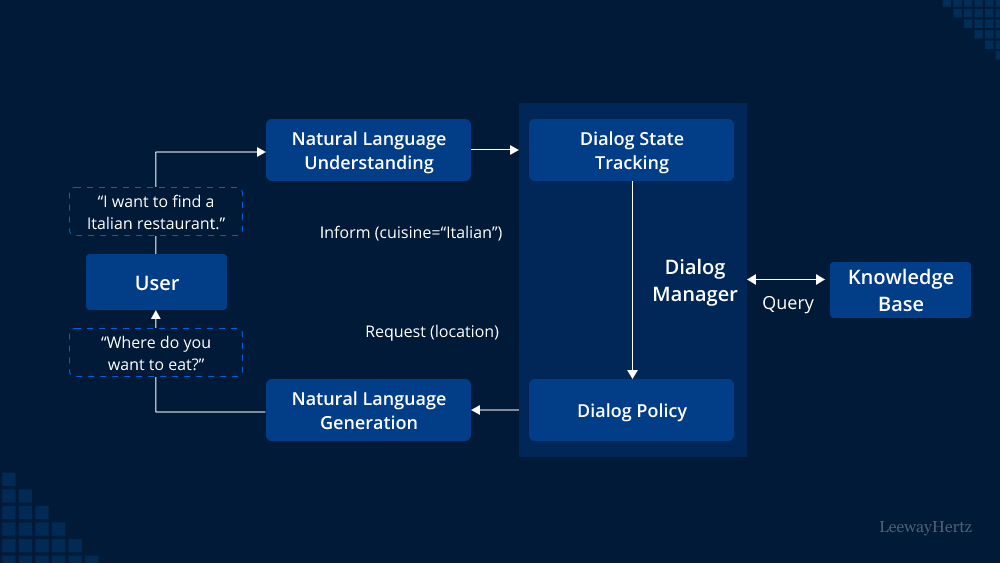
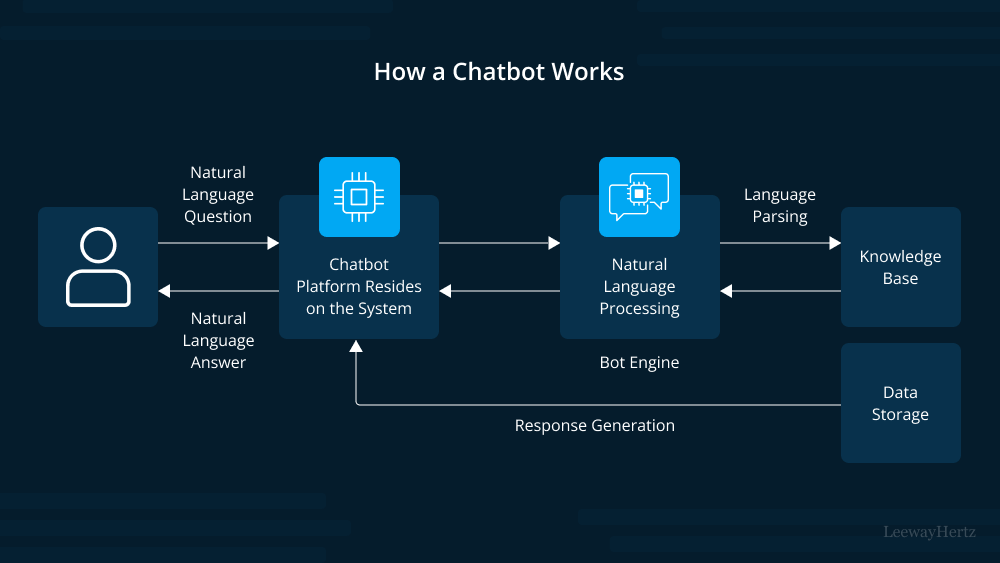
  1. Natural Language Processing (NLP): The core technology that drives transactional chatbots is natural language processing (NLP). NLP allows chatbots to understand and interpret human language in a way that traditional rule-based chatbots cannot. By analyzing the user’s input, NLP enables the chatbot to extract the user’s intent and context accurately.
  2. Intent Recognition: Transactional chatbots utilize intent recognition techniques to identify the user’s intent behind their message. Whether a user wants to make a purchase, book a flight, or inquire about a service, the chatbot aims to grasp the user’s intention to respond accurately.
  3. Context Awareness: A key feature of transactional chatbots is their ability to maintain context throughout the conversation. This means that the chatbot can remember past interactions within the same session, allowing for a more personalized and efficient transactional experience.
  4. Integration with Backend Systems: To execute transactions, transactional chatbots are integrated with backend systems or databases. For example, an e-commerce chatbot may connect with the inventory and payment systems of an online store. This integration enables the chatbot to access real-time data and process transactions seamlessly.
  5. Authentication and Security: As transactional chatbots handle sensitive information like payment details, security is paramount. These chatbots employ various authentication methods to verify user identities and ensure secure transactions, such as two-factor authentication or biometric verification.
  6. Personalization: Transactional chatbots often incorporate user data and preferences to provide personalized recommendations and offers. By analyzing past interactions and purchase history, the chatbot can offer more relevant and tailored suggestions to users.
  7. Fallback Mechanism: While transactional chatbots are highly advanced, they may not always understand every user query. In such cases, they employ a fallback mechanism, where they either ask for clarification or escalate the conversation to a human agent.
  8. Feedback and Continuous Improvement: Transactional chatbots gather valuable feedback from users to improve their performance continuously. This feedback loop helps chatbot developers refine the AI model, enhance the user experience, and minimize errors over time.

Benefits of Transactional Chatbots:

  • 24/7 Availability: Transactional chatbots operate round the clock, allowing businesses to provide uninterrupted service to their customers.
  • Improved Efficiency: By automating transactions, chatbots reduce the need for manual intervention, resulting in quicker and more efficient processes.
  • Cost Savings: With fewer resources required for customer support and order processing, businesses can save on operational costs.
  • Enhanced User Experience: Transactional chatbots offer personalized interactions, leading to a more satisfying user experience and increased customer loyalty.
  • Scalability: Chatbots can handle multiple interactions simultaneously, making them scalable to accommodate growing user demands.

Conclusion:

Transactional chatbots represent a significant leap in the capabilities of conversational AI. Through the power of natural language processing, integration with backend systems, and context awareness, they can execute complex tasks and transactions seamlessly. With continuous advancements in AI technology, we can expect transactional chatbots to play an increasingly vital role in various industries, redefining the way we interact with businesses and making transactions more effortless and efficient than ever before.

To Learn More:- https://www.leewayhertz.com/train-transactional-chatbot-using-reinforcement-learning/

AI as a Service: Empowering Innovation with On-Demand Intelligence

The rapid advancement of Artificial Intelligence (AI) technology has revolutionized industries across the globe, enabling businesses to make data-driven decisions, automate processes, and create personalized experiences for customers. However, harnessing the power of AI often demands significant expertise, resources, and infrastructure, making it a daunting challenge for many organizations. Enter “AI as a Service” (AIaaS), a game-changing concept that democratizes AI by providing on-demand access to cutting-edge AI capabilities without the need for extensive in-house development. In this article, we explore how AIaaS is transforming the landscape of business and technology and the benefits it offers to organizations of all sizes.

What is AI as a Service?

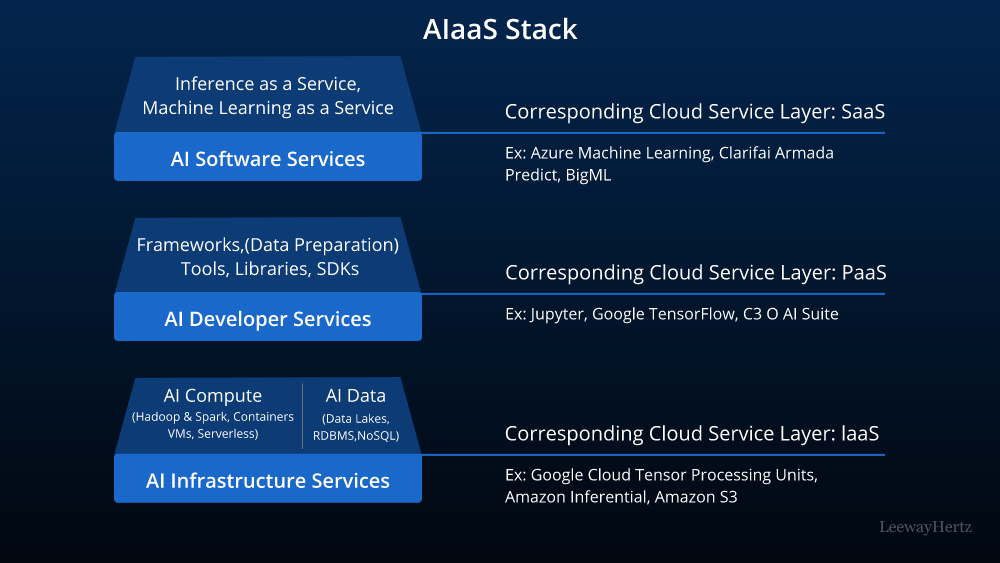
AI as a Service is a cloud-based solution that offers companies the ability to access a wide array of AI tools and services via the internet. Instead of investing in costly hardware, software, and specialized AI talent, businesses can now leverage external providers to access AI algorithms, machine learning models, natural language processing, computer vision, and other AI-driven services. This model allows organizations to focus on their core competencies while harnessing the potential of AI to drive innovation and growth.

Key Features and Components

  1. Scalability: AIaaS providers offer scalable solutions that can accommodate the varying needs of different businesses. Whether it’s a small startup or a large enterprise, organizations can easily adjust their AI usage based on demand, without worrying about infrastructure limitations.
  2. Cost-effectiveness: By adopting AIaaS, businesses can significantly reduce the upfront costs associated with building and maintaining an in-house AI infrastructure. The pay-as-you-go model ensures that companies pay only for the resources they use, making AI accessible to startups and small businesses as well.
  3. Versatility: AIaaS provides a wide range of AI tools and services, covering diverse applications such as natural language processing, computer vision, speech recognition, predictive analytics, and more. Organizations can choose and integrate the services that best align with their unique requirements.
  4. Security and Compliance: Reputable AIaaS providers prioritize data security and compliance, ensuring that sensitive information is protected and adheres to industry regulations and standards.

Benefits of AI as a Service

  1. Accelerated Time-to-Market: With AIaaS, businesses can rapidly deploy AI-driven applications and services, reducing the time and effort required for development and integration. This agility enables organizations to respond quickly to market demands and gain a competitive edge.
  2. Access to Expertise: AIaaS providers house teams of skilled AI professionals who continuously update and improve the AI services offered. Companies can leverage the expertise of these specialists without investing in hiring and training AI talent internally.
  3. Democratization of AI: Previously, only tech giants and well-funded organizations could afford to develop and implement AI solutions. AIaaS democratizes access to AI, allowing startups and small businesses to leverage the same advanced technologies as their larger counterparts.
  4. Enhanced Flexibility: As business needs evolve, organizations can easily switch between AI services or scale their usage up or down, ensuring a flexible AI strategy that aligns with their goals.
  5. Reduced Risks: AIaaS providers handle infrastructure maintenance, updates, and security, reducing the burden of operational risks on businesses and allowing them to focus on leveraging AI for growth.

Challenges and Considerations

While AIaaS offers numerous advantages, there are some challenges and considerations to bear in mind:

  1. Data Privacy: As AIaaS providers handle sensitive data, businesses must carefully assess the privacy policies and security measures of the chosen vendor.
  2. Vendor Lock-in: Organizations must consider the implications of vendor lock-in when relying heavily on AIaaS. Ensuring compatibility with alternative providers or a smooth transition to in-house solutions is essential.

Conclusion

AI as a Service has emerged as a transformative solution, empowering businesses to harness the potential of AI without the complexity and expense of developing in-house capabilities. By offering scalable, cost-effective, and versatile AI tools, AIaaS has democratized AI and made it accessible to organizations of all sizes. With AIaaS, businesses can accelerate their innovation, gain a competitive edge, and thrive in the AI-driven era of the future. As the technology continues to evolve, AIaaS will undoubtedly play a pivotal role in shaping the business landscape for years to come.

To Learn More:- https://www.leewayhertz.com/ai-as-a-service/

How to Build an AI-Powered Chatbot

In the rapidly evolving world of technology, chatbots have become an essential tool for businesses to enhance customer support, streamline operations, and improve user engagement. An AI-powered chatbot is an intelligent virtual assistant capable of simulating human-like conversations, making it an invaluable asset for automating customer interactions. In this article, we will explore the step-by-step process of building an AI-powered chatbot to elevate your business to new heights.

Step 1: Define Objectives and Use Cases

Before diving into the development process, it is essential to identify the purpose and goals of your chatbot. Determine the primary objectives you want the chatbot to achieve and the specific use cases it will address. Whether it’s providing customer support, answering frequently asked questions, or guiding users through a sales funnel, a clear understanding of the chatbot’s intended tasks will steer the development process in the right direction.

Step 2: Choose the Right Platform and Framework

Selecting the appropriate platform and framework is crucial for building an effective AI-powered chatbot. Several popular options, such as Dialogflow, Microsoft Bot Framework, and IBM Watson, offer a range of features to suit various needs. Consider factors such as ease of integration, scalability, and natural language processing capabilities when making your decision.

Step 3: Designing the Chatbot’s Conversational Flow

An intuitive and user-friendly conversational flow is vital for the success of your chatbot. Create a dialogue map that outlines various user interactions and potential responses the chatbot should offer. Utilize branching logic to handle diverse user inputs effectively and ensure a seamless conversation experience.

Step 4: Implement Natural Language Processing (NLP)

Natural Language Processing is the backbone of any AI-powered chatbot. It enables the bot to understand and interpret user queries in a human-like manner. Integrate NLP capabilities into your chosen platform to empower your chatbot with the ability to comprehend various phrasings, synonyms, and language nuances.

Step 5: Develop and Train the Chatbot

With the foundational work laid out, it’s time to develop and train your chatbot. Use the selected framework to create the chatbot’s backend, connecting it to your chosen messaging channels like website chat widgets, Facebook Messenger, or WhatsApp. Train your chatbot with relevant data to improve its accuracy and response capabilities over time.

Step 6: Add AI and Machine Learning

To make your chatbot even smarter, consider integrating AI and machine learning technologies. This can be achieved by enabling the chatbot to learn from user interactions and improve its responses continuously. AI and machine learning can also help in personalizing user experiences, leading to higher customer satisfaction.

Step 7: Test Rigorously

Before deploying your chatbot to the public, conduct thorough testing to identify and fix any bugs or issues. Simulate various user scenarios and verify if the chatbot responds accurately and appropriately. User feedback during this stage can be invaluable for fine-tuning the chatbot’s performance.

Step 8: Deploy and Monitor

Once you are satisfied with the chatbot’s performance, deploy it to your desired platforms and start engaging with users. Keep a close eye on its interactions and gather user feedback to identify areas for improvement. Regularly update the chatbot’s knowledge base to keep it up-to-date with the latest information.

Conclusion

Building an AI-powered chatbot is an exciting journey that can significantly enhance your business operations and customer experience. By defining clear objectives, selecting the right platform, implementing natural language processing, and incorporating AI and machine learning, you can create a chatbot that impresses users with its capabilities and fosters long-lasting relationships with your customers. Remember, continuous improvement is key, so always monitor user interactions and refine your chatbot to adapt to changing needs and preferences. Embrace the power of AI, and your chatbot will undoubtedly become a valuable asset for your business in the digital age.

To Learn More:- https://www.leewayhertz.com/ai-chatbots/

AI Use Cases in Fashion

Artificial Intelligence (AI) has been making significant strides across various industries, and fashion is no exception. The integration of AI in fashion has opened up new possibilities, revolutionizing the way the industry operates and creating a more personalized and efficient experience for consumers. From design to customer service, AI is playing a vital role in shaping the future of fashion. In this article, we will explore some of the key use cases of AI in the fashion industry.

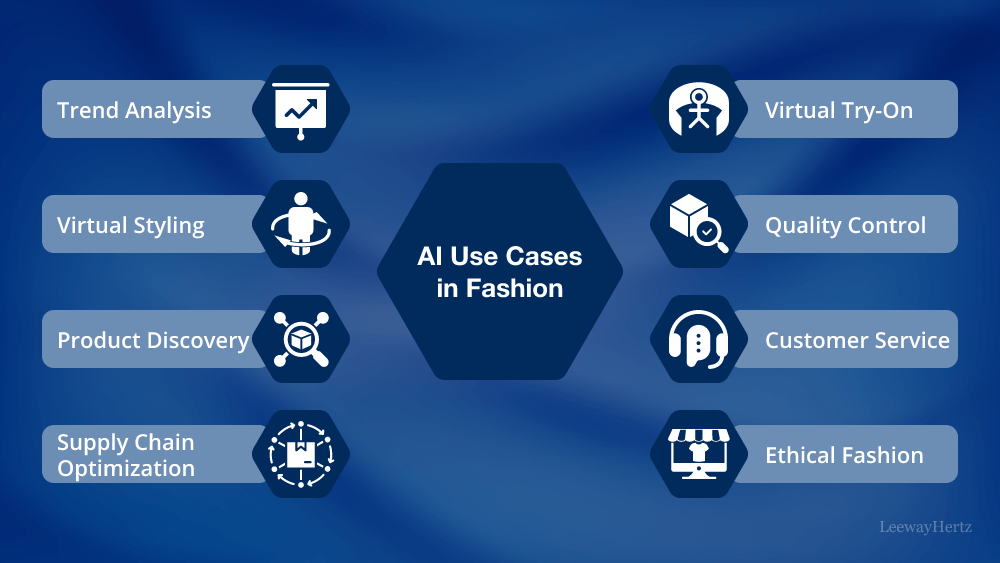
  1. Personalized Recommendations: One of the most prominent AI use cases in fashion is personalized product recommendations. AI algorithms analyze customer data, including past purchases, browsing history, and preferences, to suggest tailored clothing and accessory options. This not only enhances the shopping experience for consumers but also increases sales and customer satisfaction for fashion retailers.
  2. Virtual Styling Assistants: AI-powered virtual styling assistants are transforming the way customers seek fashion advice. These assistants can provide style suggestions, offer outfit recommendations, and even help users visualize how different clothing combinations would look on them. This virtual try-on experience enhances engagement and drives customer confidence in making purchases online.
  3. Forecasting Fashion Trends: AI can analyze vast amounts of data from social media, runway shows, and fashion blogs to predict upcoming trends. Fashion brands can use this information to make data-driven decisions, create collections that resonate with consumers, and stay ahead of their competitors.
  4. Supply Chain Optimization: AI can optimize the fashion supply chain by predicting demand, streamlining inventory management, and automating logistics. This ensures that retailers have the right products in stock at the right time, reducing waste and cost inefficiencies.
  5. Quality Control and Inspection: AI-powered computer vision systems can detect defects and imperfections in garments during the manufacturing process. This improves quality control and minimizes the chances of faulty products reaching the market.
  6. Customization and Tailoring: AI enables fashion companies to offer personalized clothing through virtual measuring and pattern-making systems. Customers can input their measurements, and AI algorithms create custom-fit garments, providing a unique and made-to-order experience.
  7. Sustainable Fashion: AI can be used to promote sustainability in the fashion industry. By analyzing data on materials, production processes, and consumer behavior, AI can help brands make more sustainable choices and reduce their environmental impact.
  8. Image and Brand Analysis: AI can analyze images and videos to track how a brand is perceived by the public. This includes sentiment analysis on social media and monitoring brand mentions, which helps fashion companies understand their brand image and reputation.
  9. Smart Retail and Customer Experience: AI-powered smart mirrors and interactive displays in brick-and-mortar stores can provide personalized styling recommendations, offer virtual try-on experiences, and even facilitate payments. This technology enhances the overall shopping experience and bridges the gap between online and offline retail.
  10. Fraud Detection and Security: AI can assist in identifying fraudulent activities, such as fake products or credit card scams. By analyzing patterns and customer behavior, AI systems can help fashion brands protect their customers and maintain brand authenticity.
  11. Price Optimization: AI algorithms can analyze market data, competitor pricing, and customer behavior to optimize pricing strategies. Fashion retailers can set dynamic and competitive prices to attract customers while maintaining profitability.
  12. Chatbots and Customer Support: AI-powered chatbots provide instant and personalized customer support, addressing queries, and resolving issues efficiently. This improves customer satisfaction and reduces the burden on customer service teams.

In conclusion, AI is revolutionizing the fashion industry by introducing innovative solutions that enhance the shopping experience, drive efficiency, and promote sustainability. From personalized recommendations to supply chain optimization and sustainability initiatives, AI use cases in fashion continue to evolve and shape the future of the industry. As technology advances, we can expect even more exciting developments in the intersection of AI and fashion, further cementing its place as a transformative force in the sector.

To Learn More:- https://www.leewayhertz.com/ai-use-cases-in-fashion/

How to Implement MLOps: A Comprehensive Guide

In the rapidly evolving world of Artificial Intelligence (AI) and Machine Learning (ML), effective management and integration of ML models into production systems are crucial for delivering successful projects. This is where MLOps comes into play. MLOps, a combination of Machine Learning and DevOps practices, streamlines the development, deployment, and monitoring of ML models. In this article, we will explore the key steps to implement MLOps successfully.

  1. Establish Clear Objectives:
    Before diving into MLOps implementation, define your project’s objectives and expected outcomes. Understand the business use case, the problem you aim to solve, and the metrics that will measure success. A clear vision will guide the entire MLOps process.
  2. Create a Collaborative Environment:
    MLOps implementation involves cross-functional collaboration among data scientists, software engineers, operations teams, and other stakeholders. Establish a collaborative environment that encourages communication and knowledge sharing. This will facilitate smoother integration of ML models into existing systems.
  3. Version Control for ML Models:
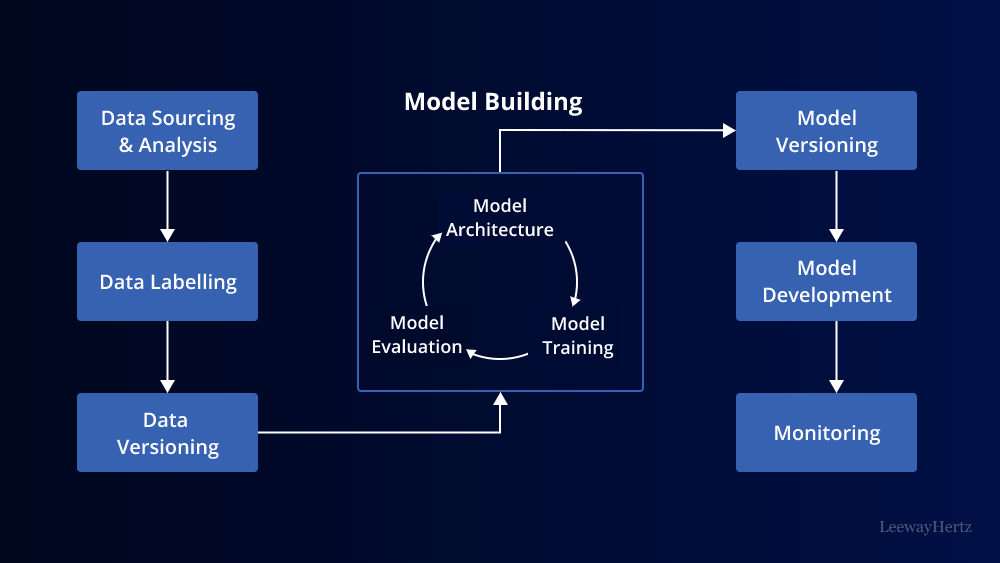
    Version control is a fundamental practice in software development, and it is equally important for ML models. Utilize version control systems (e.g., Git) to track changes in code, data, and model architectures. This ensures reproducibility and provides a historical record of model iterations.
  4. Continuous Integration and Continuous Deployment (CI/CD):
    Implement CI/CD pipelines to automate the integration and deployment of ML models. CI/CD helps ensure that changes to the code and models are automatically tested, validated, and deployed to production. This reduces the risk of errors and accelerates the delivery of updates.
  5. Automated Testing:
    Incorporate automated testing into your MLOps workflow. Test your ML models against various datasets to ensure their accuracy and robustness. Unit tests, integration tests, and end-to-end tests are crucial for identifying and addressing potential issues early in the development cycle.
  6. Monitoring and Alerting:
    Monitoring ML models in production is vital to detect anomalies and performance degradation. Implement monitoring and alerting systems to track key performance metrics and trigger alerts when the model’s behavior deviates from expectations. This allows for prompt corrective actions.
  7. Model Performance Tracking:
    Continuously measure and track the performance of ML models in real-world scenarios. Utilize performance monitoring tools and gather feedback from users to identify areas of improvement and fine-tune the models for better results.
  8. Automated Retraining:
    Data is dynamic, and ML models may degrade in performance over time. Implement automated retraining pipelines to periodically update the models with fresh data. This ensures that the models remain relevant and accurate in changing environments.
  9. Model Explainability and Interpretability:
    Interpretable ML models are crucial, especially in domains with regulatory requirements or high stakes. Incorporate techniques for model explainability to understand the factors driving the model’s predictions, gaining trust from stakeholders and users.
  10. Security and Privacy:
    ML models can be vulnerable to attacks or privacy breaches. Implement robust security measures to safeguard models and data, especially when dealing with sensitive information. Use encryption, access controls, and secure communication protocols to protect your ML infrastructure.
  11. Documentation and Knowledge Sharing:
    Maintain comprehensive documentation throughout the MLOps lifecycle. This includes model architectures, codebase, data preprocessing steps, and deployment procedures. Encourage knowledge sharing within the team to ensure everyone is on the same page.

Conclusion:

MLOps implementation requires a well-structured approach and collaboration among different teams. By following the key steps outlined in this article, you can create a seamless integration of ML models into production systems. MLOps not only improves model performance but also enhances the overall efficiency of the development process. Remember, successful MLOps is an ongoing process that demands continuous monitoring, optimization, and adaptability to changing business needs.

To Learn More:- https://www.leewayhertz.com/mlops-pipeline/

How to Use the Decision Transformer in a Transformer

Transformers have revolutionized the field of natural language processing (NLP) and have found applications in various domains such as language translation, text generation, and sentiment analysis. They are powerful models based on the attention mechanism that can capture long-range dependencies in sequential data. One recent advancement in transformer-based models is the Decision Transformer, which goes beyond traditional tasks and introduces a novel approach to handling decision-making processes. In this article, we will explore how to use the Decision Transformer in a transformer-based model.

Understanding the Decision Transformer:

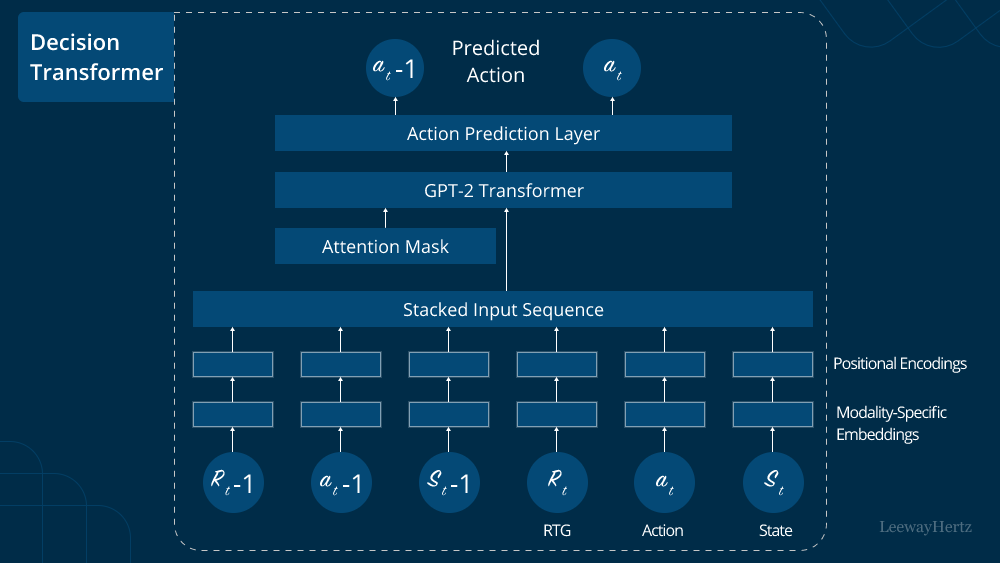
The Decision Transformer is an extension of the traditional transformer architecture, which incorporates decision-making capabilities into the model. It was introduced to address problems where sequential data is intertwined with decisions at various stages. Such tasks could include chat-based dialogue systems, recommendation systems, and interactive game-playing agents.

The Decision Transformer introduces two main components: the decision block and the decision pointer. The decision block is responsible for encoding the decision context, while the decision pointer is utilized to select the appropriate decision at each decision-making step.

Step 1: Data Preparation:

As with any machine learning task, data preparation is a crucial step. The decision-making task should be formulated in such a way that the input sequence incorporates both the raw sequential data and the decision context. Additionally, the decision options must be defined for each decision point in the data.

Step 2: Model Architecture:

To utilize the Decision Transformer, we need to modify the standard transformer architecture slightly. Specifically, we must incorporate the decision block and the decision pointer into the model. The decision block can be added as an additional layer in the encoder to process the decision context, while the decision pointer is a learnable parameter that is utilized to select the decision at each decision-making step.

Step 3: Input Encoding:

During the input encoding step, we prepare the data to be fed into the Decision Transformer. The sequential data is encoded in the same way as in a traditional transformer. However, for the decision context, we may represent it as a separate embedding or append it to the input sequence with special tokens to distinguish it from the raw data.

Step 4: Decision Context Processing:

In the decision block, the decision context is processed to capture the relevant information for decision-making. This could involve passing the context through a series of feed-forward layers or employing a self-attention mechanism to extract relevant features.

Step 5: Decision Pointer:

The decision pointer is a crucial component that determines the decision to be made at each step. It takes into account the encoded decision context and generates a probability distribution over the available decision options. The decision with the highest probability is then selected.

Step 6: Training:

During the training process, the model is optimized to make accurate decisions based on the input sequence and the decision context. The model’s parameters, including the decision pointer, are updated using backpropagation and an appropriate loss function.

Step 7: Inference:

Once the Decision Transformer is trained, it can be used for making decisions on new input sequences. During inference, the model follows the same process as during training, but instead of updating parameters, it utilizes the learned weights to make decisions based on the given input and decision context.

Conclusion:

The Decision Transformer is a promising extension of the traditional transformer architecture that enables models to perform decision-making tasks alongside sequential data processing. By incorporating decision blocks and decision pointers, the model can effectively make decisions based on the input sequence and the provided decision context. As the field of NLP continues to advance, the Decision Transformer opens up new possibilities for interactive and dynamic applications, ranging from chatbots with decision-making capabilities to personalized recommendation systems. With further research and development, the Decision Transformer is likely to play a vital role in enhancing the capabilities of transformer-based models in the future.

To Learn More:- https://www.leewayhertz.com/decision-transformer/