Action Transformer Model: Enabling Dynamic Decision-making in NLP

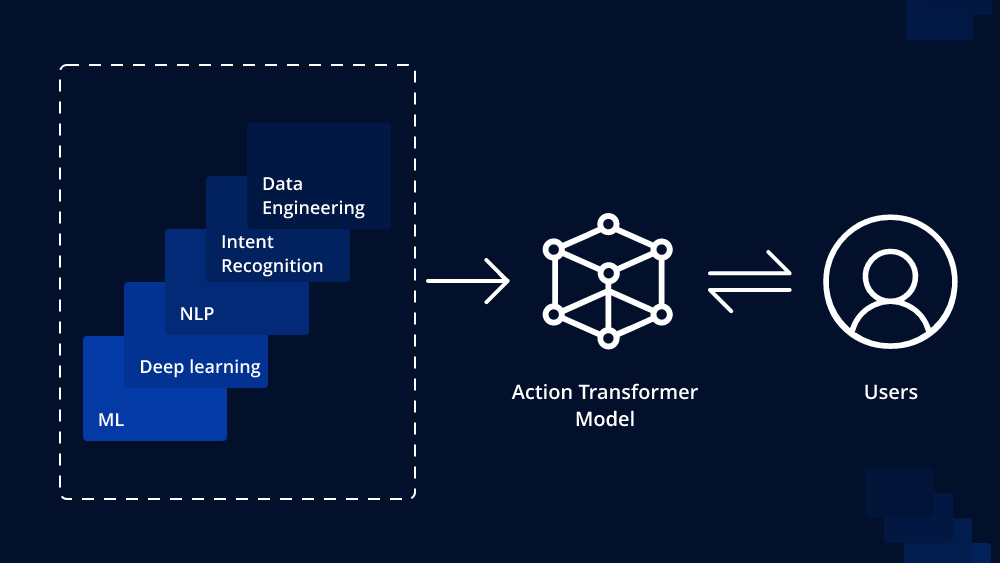
In recent years, Transformer models have revolutionized the field of natural language processing (NLP) by achieving impressive results in various tasks such as language translation, text generation, and sentiment analysis. One fascinating extension of the traditional Transformer architecture is the Action Transformer model. Developed as an innovative approach to incorporate dynamic actions into the language modeling process, the Action Transformer introduces a new dimension to contextual understanding and decision-making.
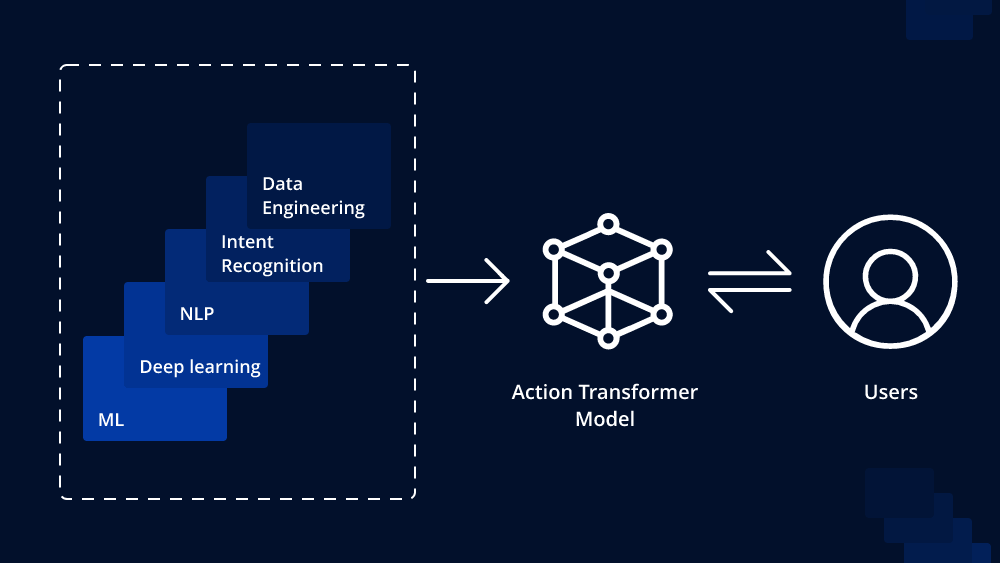
Understanding Transformers: A Brief Overview

Before delving into the workings of the Action Transformer model, let’s briefly review the fundamentals of Transformers. Originally introduced by Vaswani et al. in 2017, Transformers leverage self-attention mechanisms to process input sequences. This allows the model to weigh the importance of different words in the context of the entire sentence, enabling better long-range dependencies and contextual understanding.

The core of a Transformer consists of an encoder-decoder architecture. The encoder processes input sequences and generates contextualized embeddings, while the decoder utilizes those embeddings to generate the desired output.

Introducing Action Transformers

While standard Transformers excel at capturing context, they lack explicit mechanisms for incorporating actions or dynamic decision-making. Action Transformers address this limitation by extending the Transformer with action-specific components, making it suitable for tasks that involve sequential decision-making or action-based outcomes.

Action Embeddings

The Action Transformer introduces action embeddings, which are representations of specific actions associated with the input sequence. These action embeddings are learned during the training process and are combined with word embeddings to provide a more comprehensive understanding of the context.

For example, in a machine translation scenario, the action embeddings could represent the actions of “translate,” “copy,” or “ignore” for each word in the source sentence. This additional information helps the model make informed decisions during the translation process, leading to more accurate and contextually appropriate translations.

Action Mechanism

The Action Transformer incorporates an action mechanism that enables the model to dynamically adjust its behavior based on the given action embeddings. This mechanism involves incorporating action information at different stages of the Transformer’s processing.

During self-attention, the model pays attention not only to words in the input sequence but also to the associated action embeddings. This dual attention allows the model to weigh both words and actions when generating contextualized embeddings, resulting in a more comprehensive understanding of the context.

Dynamic Decision-making

One of the primary advantages of the Action Transformer is its ability to perform dynamic decision-making at each step of the sequence. Traditional Transformers generate output based solely on the input context, but Action Transformers use the additional action information to determine appropriate actions to take during inference.

Continuing with the machine translation example, the Action Transformer can decide to translate a word, copy it as-is from the source, or ignore it entirely based on the specific action embeddings provided. This enables the model to handle out-of-vocabulary words, improve translation accuracy, and handle various translation scenarios more effectively.

Applications of Action Transformers

Action Transformers have shown significant promise in various real-world applications. Some notable uses include:

  1. Machine Translation: As mentioned earlier, Action Transformers enhance the translation process by dynamically deciding how to handle each word based on specific translation actions.
  2. Dialogue Generation: In conversational AI systems, Action Transformers can generate responses while considering the conversational context and action instructions like “clarify,” “elaborate,” or “summarize.”
  3. Image Captioning: When describing images, Action Transformers can determine whether to focus on specific objects, attributes, or relationships in the scene, leading to more informative captions.

Conclusion

The Action Transformer model represents an exciting advancement in the field of NLP, combining the power of the Transformer architecture with dynamic decision-making capabilities. By incorporating action embeddings and mechanisms, the model achieves more contextually relevant outputs, making it a valuable asset for various tasks involving sequential actions and dynamic contexts. As research in this area progresses, we can expect to see even more sophisticated applications and improved performance in a wide range of NLP domains.

To Learn More:- https://www.leewayhertz.com/action-transformer-model/

Exploratory Data Analysis (EDA): Methods and Techniques

Exploratory Data Analysis (EDA) is a crucial step in the data analysis process, allowing data scientists and analysts to gain a deeper understanding of their datasets. It involves visually and statistically exploring the data to discover patterns, relationships, and insights that might not be immediately evident. EDA plays a pivotal role in the early stages of data analysis, helping to guide further analysis, hypothesis testing, and model building. In this article, we will delve into what EDA is, its importance, and some common methods and techniques used in this exploratory process.

What is Exploratory Data Analysis (EDA)?
Exploratory Data Analysis is the process of examining and summarizing a dataset to identify patterns, trends, and potential relationships between variables. It aims to gain an intuitive understanding of the data and any underlying structures it may contain. EDA helps researchers and analysts to assess the quality of the data, identify outliers or missing values, and determine the appropriate techniques for further analysis.

Importance of Exploratory Data Analysis:
EDA is a crucial preliminary step in any data analysis project for several reasons:

  1. Data Cleaning and Preprocessing: EDA helps in identifying missing or inconsistent data, allowing data scientists to perform necessary data cleaning and preprocessing tasks before proceeding with analysis.
  2. Feature Selection: By examining the relationships between variables, EDA aids in selecting the most relevant features or variables for building predictive models, reducing computational costs, and improving model performance.
  3. Detecting Outliers and Anomalies: EDA techniques help in the identification of outliers and anomalies that might significantly impact the results of subsequent analyses.
  4. Pattern Identification: EDA allows data scientists to uncover patterns and trends in the data, which can lead to valuable insights and hypotheses for further investigation.
  5. Data Visualization: Visualization is a critical aspect of EDA, as it helps to present complex information in a more understandable and intuitive manner.

Common Methods and Techniques in Exploratory Data Analysis:

  1. Summary Statistics: Summary statistics provide a concise overview of the main characteristics of the data, such as the mean, median, standard deviation, minimum, maximum, and quartiles. These statistics help to understand the central tendency and spread of the data.
  2. Data Visualization: Data visualization techniques include scatter plots, histograms, box plots, line charts, and heatmaps, among others. Visualization allows analysts to observe patterns, outliers, and distributions in the data.
  3. Correlation Analysis: Correlation analysis is used to measure the strength and direction of the linear relationship between two or more variables. It helps identify variables that are highly correlated, which can be useful for feature selection or multicollinearity assessment.
  4. Outlier Detection: Outliers are data points that deviate significantly from the rest of the dataset. EDA methods like box plots or scatter plots can aid in identifying outliers that might require further investigation.
  5. Dimensionality Reduction: Dimensionality reduction techniques like Principal Component Analysis (PCA) or t-SNE can be applied to visualize high-dimensional data in lower dimensions, making it easier to understand and explore.
  6. Data Imputation: EDA can reveal missing values in the dataset. Depending on the analysis objectives, different imputation techniques can be used to handle missing data appropriately.
  7. Clustering: Clustering algorithms group similar data points together based on their features. EDA can be used to visualize clusters and assess their separability.
  8. Distribution Fitting: EDA can involve fitting the data to probability distributions, helping to model and understand the underlying data distribution.

Conclusion:

Exploratory Data Analysis is an indispensable step in the data analysis process. By utilizing various methods and techniques, analysts can gain valuable insights into their datasets, identify patterns, and formulate hypotheses for further investigation. Proper EDA enhances the accuracy and efficiency of subsequent analyses, leading to more informed decision-making and better outcomes in data-driven projects.

To Learn More:- https://www.leewayhertz.com/what-is-exploratory-data-analysis/

How to Build Machine Learning Apps

In today’s digital era, machine learning has become an integral part of numerous applications across various industries. From personalized recommendations to fraud detection, machine learning has transformed the way we interact with technology. Building machine learning apps may seem like a daunting task, but with the right approach and tools, it becomes a rewarding experience. In this guide, we’ll explore the key steps to develop machine learning apps, empowering you to harness the power of artificial intelligence.

  1. Define the Objective

Before diving into development, it’s essential to clearly define the objective of your machine learning app. Determine the problem you want to solve and how machine learning can contribute to the solution. Whether it’s predicting customer preferences or automating mundane tasks, a well-defined objective sets the foundation for a successful project.

  1. Data Collection and Preprocessing

Data is the fuel that powers machine learning algorithms. Gather relevant data from reliable sources, ensuring it’s of high quality and representative of the problem at hand. Preprocess the data to handle missing values, outliers, and normalize features to create a clean dataset. Data preprocessing significantly impacts the accuracy and performance of your machine learning model.

  1. Choose the Right Algorithm

Selecting the appropriate machine learning algorithm is crucial for achieving accurate results. Depending on your objective and data type, you can choose from various algorithms like decision trees, support vector machines, neural networks, and more. Consider experimenting with different algorithms to determine the best fit for your application.

  1. Model Training

The training phase involves feeding the preprocessed data into the chosen machine learning algorithm. This is where the model learns patterns and relationships from the data. Split the dataset into training and testing sets to evaluate the model’s performance accurately. Continuously monitor the training process to fine-tune hyperparameters and avoid overfitting or underfitting.

  1. Integration with the Application

After the model is trained and evaluated, integrate it into your application. There are several ways to achieve this. For web applications, frameworks like Flask or Django in Python can be used, while for mobile apps, you can leverage platforms like TensorFlow Lite or Core ML. Ensure the integration is seamless and optimized for real-time performance.

  1. Implement User Interface

A user-friendly interface is critical for the success of any application. Design an intuitive and visually appealing interface that allows users to interact with the machine learning features effortlessly. Clearly present the app’s purpose and results to users, making the AI-driven functionalities transparent and understandable.

  1. Deploy and Monitor

Deploying your machine learning app is a crucial step in making it accessible to users. Depending on your requirements, you can host it on cloud services like AWS, Azure, or Google Cloud Platform, or deploy it on-premises. Regularly monitor the app’s performance and user feedback to identify potential issues and improve its functionality.

  1. Ensure Data Privacy and Security

As machine learning apps often deal with sensitive user data, it’s crucial to prioritize data privacy and security. Implement encryption and access controls to safeguard user information. Additionally, comply with relevant data protection regulations to build trust with your users.

  1. Continuous Improvement

Machine learning models are not static; they require constant updates and improvements. Keep monitoring the performance of your app and collect user feedback to identify areas for enhancement. Regularly update the model to incorporate new data and improve accuracy.

Conclusion

Building a machine learning app may seem like a complex endeavor, but with careful planning and execution, it can lead to transformative solutions. Define your objectives clearly, gather relevant data, choose the right algorithms, and implement a user-friendly interface. Deploy the app, ensure data privacy, and continuously improve its performance to deliver a valuable experience to your users. Embrace the power of machine learning and unleash its potential in crafting innovative applications for a brighter future.

To Learn More:- https://www.leewayhertz.com/how-to-build-a-machine-learning-app/

10 Ways Generative AI is Revolutionizing Healthcare

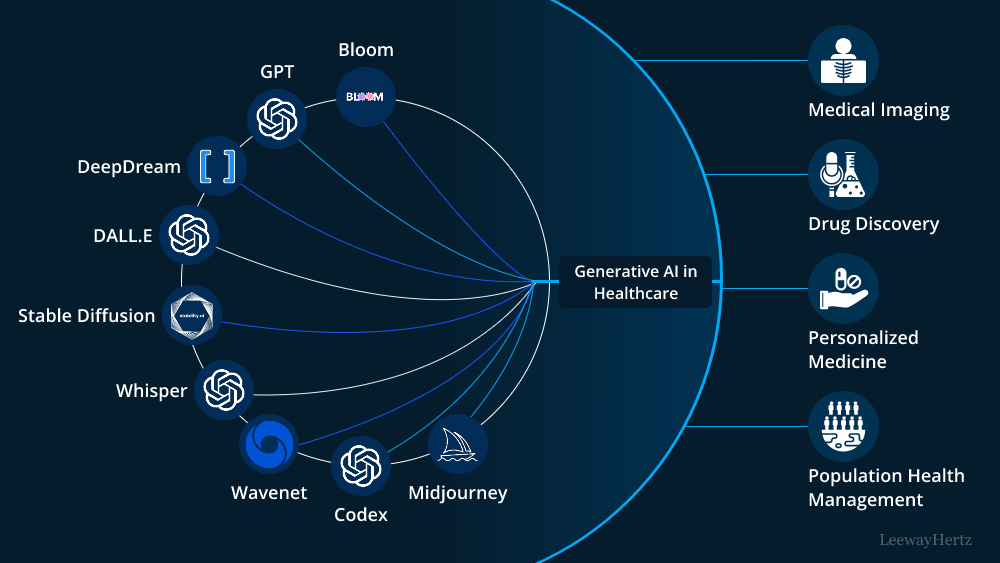
Generative Artificial Intelligence (AI) has emerged as a powerful tool in the field of healthcare, transforming the way we diagnose, treat, and manage diseases. By leveraging the capabilities of machine learning and neural networks, generative AI has the potential to revolutionize healthcare and improve patient outcomes. Here are 10 ways in which generative AI is making a significant impact in healthcare:

  1. Disease Diagnosis: Generative AI can analyze vast amounts of medical data, including images, lab results, and patient records, to assist in the diagnosis of diseases. By identifying patterns and anomalies, generative AI algorithms can help healthcare professionals make more accurate and timely diagnoses, leading to improved treatment outcomes.
  2. Medical Imaging: Interpreting medical images is a complex task that often requires expertise and time. Generative AI algorithms can analyze medical images such as X-rays, MRIs, and CT scans, helping radiologists detect abnormalities and early signs of diseases. This technology enables faster and more accurate diagnoses, leading to timely interventions.
  3. Drug Discovery: Developing new drugs is a time-consuming and costly process. Generative AI algorithms can expedite the drug discovery process by analyzing vast amounts of chemical and biological data, identifying potential drug candidates, and predicting their efficacy and safety profiles. This can significantly accelerate the development of new treatments and therapies.
  4. Personalized Medicine: Generative AI can analyze individual patient data, including genetic information, medical history, and lifestyle factors, to develop personalized treatment plans. By considering a patient’s unique characteristics, generative AI algorithms can optimize treatment outcomes and minimize adverse effects.
  5. Virtual Assistants: Generative AI-powered virtual assistants can help patients and healthcare professionals by providing personalized recommendations, answering health-related questions, and offering reminders for medication adherence and appointments. These virtual assistants can enhance patient engagement, improve communication, and streamline healthcare delivery.
  6. Prognostic Models: Generative AI can leverage predictive modeling techniques to estimate patient outcomes and disease progression. By analyzing patient data and clinical variables, generative AI algorithms can generate accurate prognostic models that assist healthcare professionals in making informed decisions about treatment plans and interventions.
  7. Medical Education and Training: Generative AI can be used as a valuable tool in medical education and training. Simulations and virtual patient scenarios powered by generative AI can help medical students and healthcare professionals practice their skills, enhance diagnostic capabilities, and learn complex procedures in a safe and controlled environment.
  8. Clinical Decision Support Systems: Generative AI algorithms can be integrated into clinical decision support systems, providing healthcare professionals with evidence-based recommendations and treatment guidelines. By considering a wide range of patient data and medical literature, these systems can assist in the decision-making process, leading to more standardized and effective care.
  9. Predictive Maintenance: Generative AI algorithms can be applied to medical equipment and devices to predict maintenance needs and prevent potential failures. By analyzing data from sensors and monitoring systems, generative AI can identify patterns and anomalies that indicate the need for maintenance or replacement, ensuring the reliability and availability of critical healthcare infrastructure.
  10. Mental Health Support: Generative AI-powered chatbots and virtual assistants can provide mental health support to individuals, offering counseling, monitoring emotional well-being, and providing resources for self-help. These tools can help bridge the gap in mental health services and provide accessible support to those in need.

Generative AI has tremendous potential to transform healthcare by improving diagnosis accuracy, accelerating drug discovery, enabling personalized treatments, and enhancing patient care. While there are challenges and ethical considerations to address, the integration of generative AI into healthcare systems holds the promise of a future where technology plays a crucial role in improving health outcomes and transforming the patient experience. As research and development in this field continue to advance, we can expect even more innovative applications of generative AI in healthcare, leading to a more efficient and patient-centered healthcare system.

To Learn More:- https://www.leewayhertz.com/generative-ai-in-healthcare

AI Use Cases in Private Equity & Principal Investment

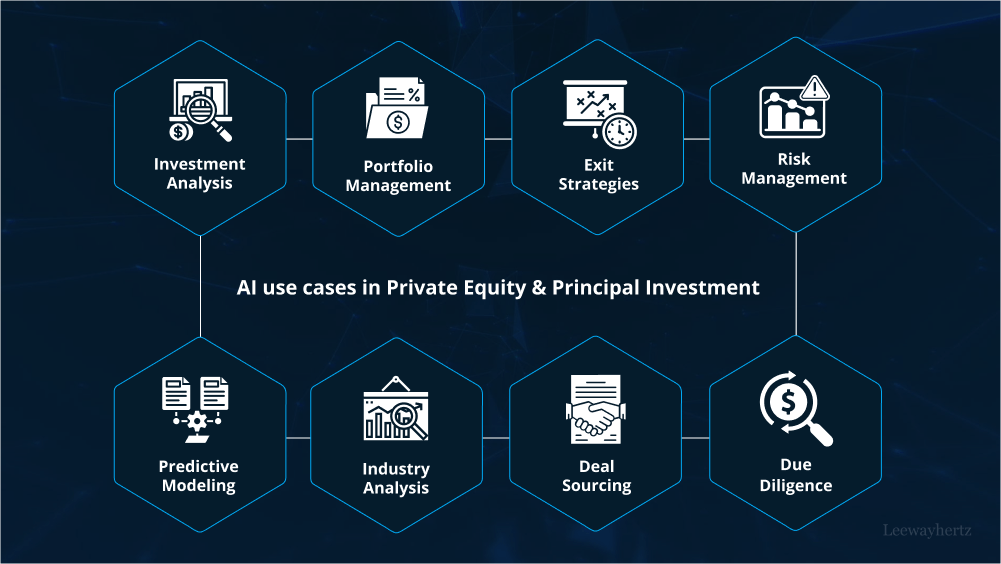
Artificial Intelligence (AI) has emerged as a transformative force across various industries, and private equity and principal investment are no exceptions. In recent years, AI technologies have been increasingly adopted in the financial sector, offering significant advantages in decision-making, risk assessment, and operational efficiency. This article explores some of the key AI use cases and applications in the world of private equity and principal investment.

  1. Data-driven investment decisions: AI excels in analyzing vast amounts of data, and this capability is highly valuable in making data-driven investment decisions. Machine learning algorithms can sift through historical financial data, market trends, and company performance to identify potential investment opportunities and predict their potential returns.
  2. Predictive analytics: AI empowers private equity firms to harness predictive analytics, enabling them to foresee market trends and make more informed investment choices. Predictive models can help identify undervalued assets and potential acquisition targets, reducing investment risks and enhancing overall portfolio performance.
  3. Automated due diligence: Conducting due diligence is a critical process in private equity and principal investment. AI streamlines this procedure by automating data collection, analysis, and risk assessment. Natural language processing (NLP) algorithms can scour vast legal documents and contracts, ensuring that potential legal and financial risks are identified.
  4. Risk assessment and management: AI-driven risk assessment tools provide invaluable insights into investment risks. Machine learning algorithms can analyze various risk factors, such as financial performance, market volatility, and geopolitical events, to offer a comprehensive risk profile for a particular investment.
  5. Portfolio optimization: Building and managing a diverse and robust investment portfolio is a complex task. AI-powered portfolio optimization tools take into account various parameters, such as risk tolerance, expected returns, and market conditions, to construct optimal portfolios that align with investors’ objectives.
  6. Sentiment analysis: Sentiment analysis, another application of AI, involves analyzing social media, news, and other online sources to gauge public sentiment toward companies or industries. This information can provide early signals of potential investment opportunities or risks, allowing investors to adjust their strategies accordingly.
  7. Algorithmic trading: Algorithmic trading, or quant trading, utilizes AI algorithms to execute trades at high speeds and frequencies, exploiting market inefficiencies and generating better returns. This approach is particularly popular among hedge funds and large financial institutions.
  8. Alternative data analysis: AI can process and interpret unconventional data sources, such as satellite imagery, geolocation data, and sensor information, to gain unique insights into companies’ performance and industries’ trends. Incorporating alternative data into investment strategies can provide a competitive edge.
  9. Smart deal sourcing: AI can assist in identifying potential deal opportunities by scanning vast amounts of publicly available information and matching investment criteria. This allows private equity firms to stay ahead in a highly competitive market.
  10. Post-investment monitoring: After an investment is made, AI can continuously monitor the performance of the invested assets. This real-time monitoring helps identify any issues or deviations from expected outcomes, allowing investors to take timely corrective actions.
  11. Personalized investor communication: AI-powered tools can analyze individual investor preferences and behaviors, enabling personalized and targeted communication. This fosters stronger investor relationships and enhances investor satisfaction.
  12. Fraud detection and prevention: In the financial world, fraud is a persistent concern. AI can help identify unusual patterns and detect potential fraudulent activities, safeguarding investments and minimizing financial losses.
  13. Valuation modeling: AI can improve the accuracy of valuation models by incorporating a broader range of factors and historical data, reducing human biases and errors in the valuation process.
  14. Operational efficiency: Beyond investment-related tasks, AI can enhance operational efficiency in private equity and principal investment firms. From automating routine administrative tasks to streamlining back-office operations, AI can free up valuable human resources for more strategic activities.

In conclusion, AI has proven to be a game-changer for the private equity and principal investment industry. The adoption of AI-driven tools and technologies empowers firms to make more informed investment decisions, manage risks effectively, and optimize portfolio performance. As AI continues to evolve and become more sophisticated, its impact on the financial sector will undoubtedly grow, shaping the future of private equity and principal investment. However, it’s important to note that while AI brings many benefits, human expertise and judgment remain crucial in navigating the complexities of the financial markets and making successful investment choices.

To Learn More:- https://www.leewayhertz.com/ai-use-cases-in-private-equity-and-principal-investment/

How to Secure AI Models: Techniques

In the rapidly evolving world of artificial intelligence (AI) development services, securing AI models is of paramount importance. As AI continues to find applications in diverse fields, ensuring the robustness and reliability of AI models is essential for safeguarding sensitive data, maintaining user trust, and preventing malicious exploitation. This article explores essential techniques to secure AI models, enabling organizations to offer reliable AI development services.

1. Data Privacy and Encryption

  • Protecting sensitive data is the cornerstone of AI model security. Implement robust encryption protocols to safeguard data during transmission and storage.
  • Utilize techniques such as differential privacy to add noise to the data, preventing the possibility of reverse engineering and identifying specific individuals from the dataset.

2. Model Architecture

  • Begin with a secure and well-designed model architecture. Regularly update and improve it to address potential vulnerabilities.
  • Employ techniques like model pruning and quantization to reduce the model’s size and minimize attack surfaces.

3. Input Validation and Sanitization

  • Validate and sanitize all inputs to the AI model to prevent common attacks such as injection and cross-site scripting.
  • Implement input validation mechanisms that reject malicious inputs and ensure only valid data is processed.

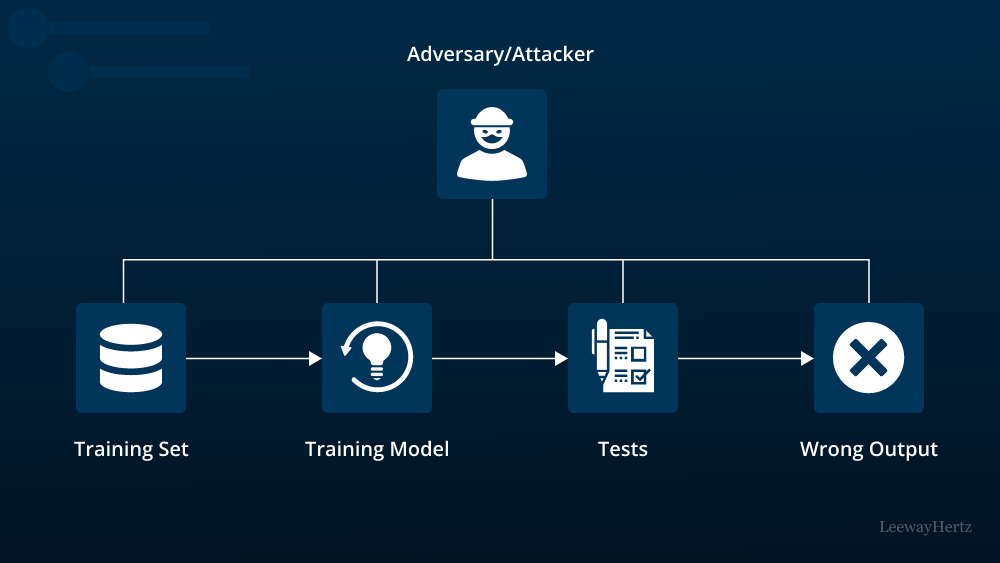
4. Adversarial Defense

  • Adversarial attacks exploit vulnerabilities in AI models by introducing slight changes to inputs, causing the model to misclassify.
  • Use adversarial defense techniques, such as adversarial training and robust optimization, to improve the model’s resilience against such attacks.

5. Model Transparency and Explainability

  • Black-box AI models can be challenging to secure, as attackers may exploit hidden vulnerabilities.
  • Embrace explainable AI techniques to understand model decisions and identify potential risks, making it easier to address and rectify vulnerabilities.

6. Continuous Monitoring

  • Deploy AI model monitoring tools that can detect unusual behavior and potential attacks in real-time.
  • Implement logging and auditing mechanisms to track model usage and identify any suspicious activities.

7. Secure APIs and Endpoints

  • Ensure the security of APIs and endpoints through authentication, access controls, and encryption to prevent unauthorized access.
  • Utilize rate limiting to protect against brute force and denial-of-service attacks.

8. Regular Updates and Patch Management

  • Keep the AI model and all related components up-to-date with the latest security patches and fixes.
  • Establish a systematic process for regular updates and monitoring for security vulnerabilities.

9. Model Watermarking and Intellectual Property Protection

  • Implement watermarking techniques to embed ownership information into the AI model, making it harder for attackers to steal or misuse the model.
  • Explore intellectual property protection measures to safeguard the AI model’s code and design.

10. Secure Model Deployment

  • Secure the AI model deployment process by utilizing containerization and virtualization technologies.
  • Isolate the AI model from the rest of the system to limit potential damages in case of a breach.

Conclusion

AI development services hold immense potential in shaping the future of various industries, but their security must remain a top priority. By implementing a robust security strategy, organizations can ensure the integrity and confidentiality of AI models. The techniques mentioned in this article provide a strong foundation for enhancing the security of AI models, safeguarding sensitive data, and maintaining user trust in an ever-evolving technological landscape. As AI continues to advance, it is crucial to adapt and reinforce security practices to stay one step ahead of potential threats and attacks.

To Learn More:- https://www.leewayhertz.com/ai-model-security/

How to Build Generative AI Models for Image Synthesis

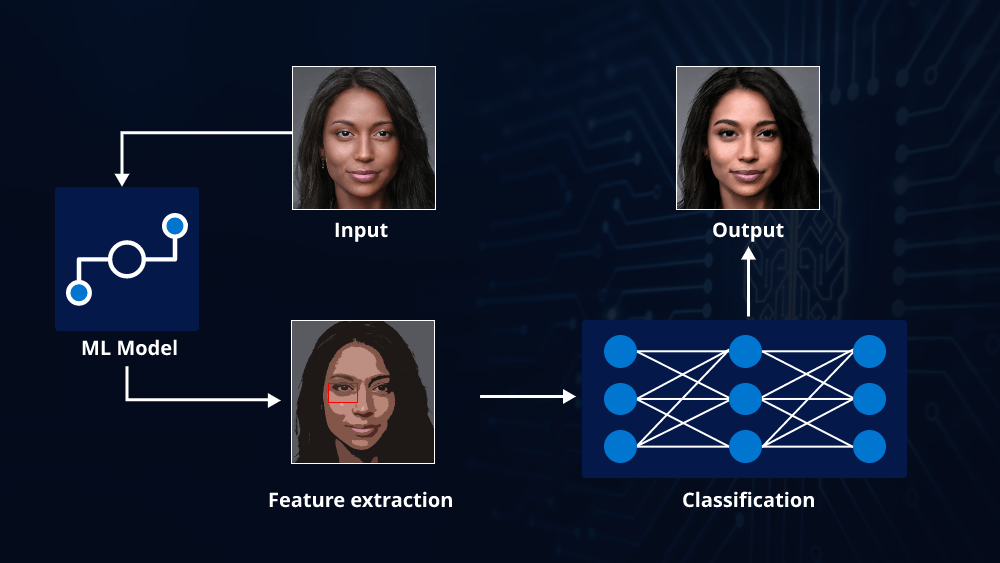
Image synthesis refers to the process of generating new images that do not exist in the real world, often based on existing datasets or models. Generative AI models, such as Generative Adversarial Networks (GANs) and Variational Autoencoders (VAEs), have gained significant popularity in recent years for their ability to create realistic and diverse images. If you’re interested in building generative AI models for image synthesis, here are some key points to consider:

1. Understand the Basics:

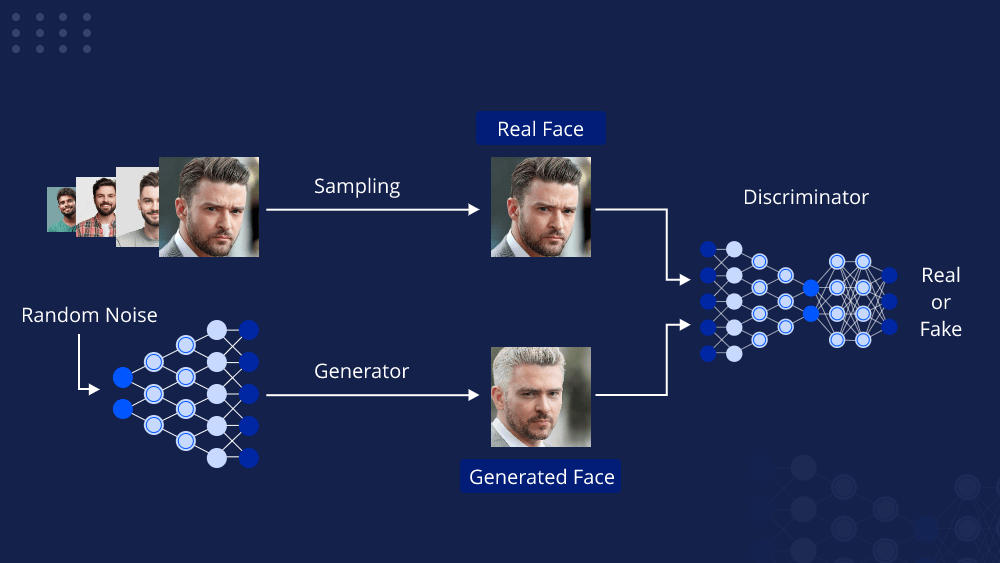
  • Familiarize yourself with the fundamental concepts of generative AI, including GANs and VAEs. GANs consist of a generator network that creates images and a discriminator network that tries to distinguish between real and generated images. VAEs use an encoder-decoder architecture to learn a latent representation of images.

2. Gather and Preprocess Data:

  • Acquire a dataset that aligns with your desired image synthesis task. Ensure that the dataset contains a diverse range of images and covers the target domain adequately.
  • Preprocess the data by resizing, cropping, normalizing, and augmenting the images as needed. This step helps improve the model’s generalization and performance.

3. Select an Appropriate Architecture:

  • Depending on your project requirements, choose the most suitable generative model architecture. GANs and VAEs have different characteristics and strengths, so consider their respective advantages and limitations.
  • Experiment with different variations and modifications of the base architectures to enhance performance, stability, or specific image synthesis objectives.

4. Train the Model:

  • Split your dataset into training and validation sets. The validation set helps monitor the model’s progress and avoid overfitting.
  • Train the generative model using an appropriate loss function, such as binary cross-entropy for GANs or a combination of reconstruction loss and regularization terms for VAEs.
  • Iterate the training process, adjusting hyperparameters and monitoring performance until the model converges to a satisfactory result.

5. Evaluate and Fine-Tune:

  • Assess the quality of the generated images by conducting both qualitative and quantitative evaluations. Qualitative evaluation involves visual inspection, while quantitative metrics like Inception Score or Fréchet Inception Distance (FID) provide objective measures.
  • Fine-tune the model based on the evaluation results. Adjust hyperparameters, tweak the architecture, or collect additional data if necessary to improve the model’s performance and address any identified limitations.

6. Regularize and Control Outputs:

  • Apply regularization techniques to control the diversity, style, or other desired aspects of the generated images. Techniques like adding noise, using latent space interpolations, or incorporating style transfer methods can help shape the output according to specific requirements.
  • Explore techniques like conditional GANs, where additional information or constraints can be provided to guide the image synthesis process.

7. Deploy and Iterate:

  • Once satisfied with the model’s performance, deploy it for generating new images. Consider the computational requirements and scalability of the model when deploying it in production.
  • Continue iterating on the model and data as new insights or requirements emerge. Feedback from users and further analysis can help refine and enhance the image synthesis capabilities.

Building generative AI models for image synthesis is a fascinating and rapidly evolving field. It requires a blend of theoretical understanding, practical implementation skills, and a creative mindset. By following these points and continually exploring new techniques, you can develop powerful generative models that push the boundaries of image synthesis.

To Learn More:- https://www.leewayhertz.com/a-guide-on-generative-ai-models-for-image-synthesis/

What are Foundation Models and the Need for a Foundation Model?

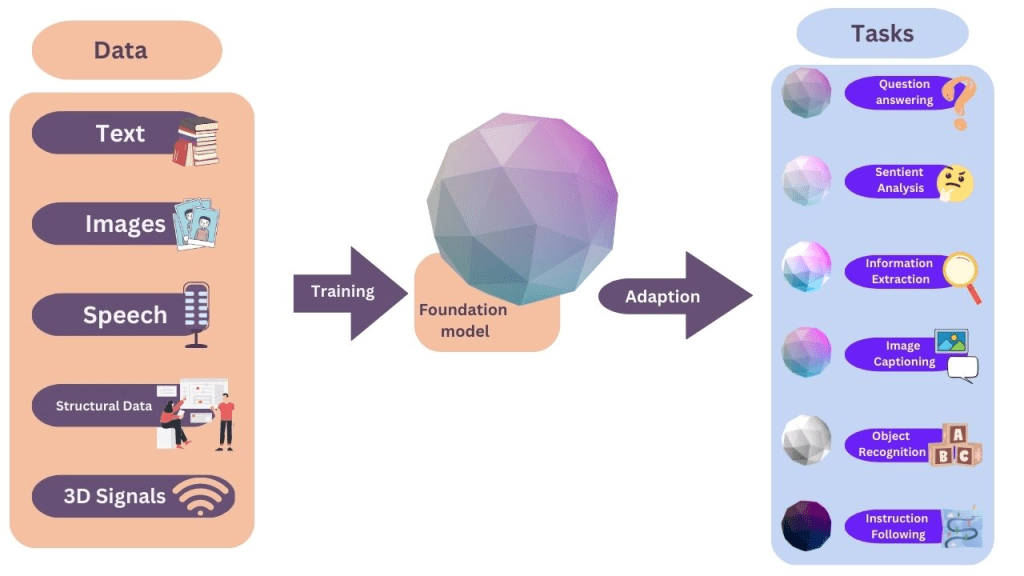
In the rapidly evolving field of artificial intelligence (AI), foundation models have emerged as a critical element for various applications. Foundation models are large-scale language models trained on vast amounts of data, capable of understanding and generating human-like text. They serve as a starting point or foundation for building more specific and task-oriented AI models. Here are the key points explaining what foundation models are and why they are essential:

  1. Definition and Function: Foundation models are pre-trained AI models that have learned from vast amounts of text data. They are designed to understand and generate human-like text by predicting the next word in a sequence given a context. These models use a technique called unsupervised learning, where they learn from the patterns and structures in the data without explicit instructions. The goal of foundation models is to capture the general knowledge and linguistic patterns present in the data.
  2. Vast Knowledge Base: Foundation models are trained on massive datasets, often consisting of billions or even trillions of words. This extensive training allows them to acquire a vast knowledge base that spans various domains and topics. As a result, they can generate coherent and contextually relevant responses for a wide range of queries and tasks.
  3. Transfer Learning: One of the primary benefits of foundation models is their ability to perform transfer learning. After the initial pre-training phase, these models can be fine-tuned on specific tasks or domains using a smaller dataset. This transfer learning approach saves computational resources and time by leveraging the knowledge learned during pre-training. It enables developers to build task-specific models more efficiently and effectively.
  4. Versatility and Adaptability: Foundation models are designed to be versatile and adaptable to different domains and applications. They can be used for various natural language processing tasks, including language translation, sentiment analysis, question-answering, and more. By fine-tuning the pre-trained models, developers can tailor them to specific tasks, enabling them to solve complex problems across different industries.
  5. Enhanced Performance: Foundation models have significantly advanced the performance of AI systems in natural language understanding and generation tasks. Their extensive pre-training allows them to grasp the nuances of language, understand context, and generate coherent and contextually relevant responses. Compared to traditional rule-based or statistical models, foundation models have demonstrated superior performance across multiple benchmarks.
  6. Accessibility and Democratization: Foundation models have paved the way for democratizing AI technologies. Open-source implementations like GPT (Generative Pre-trained Transformer) have made these models widely accessible to researchers and developers worldwide. This accessibility fosters innovation, collaboration, and the development of novel applications by a broader community.
  7. Ethical Considerations: While foundation models have tremendous potential, they also raise important ethical considerations. The models learn from the vast amount of data available on the internet, which may include biased or offensive content. Consequently, there is a need for responsible development and fine-tuning to mitigate biases and ensure fair and unbiased outcomes.
  8. Continuous Improvement: Foundation models continue to evolve and improve over time. Researchers and developers are constantly refining the training methodologies and fine-tuning techniques to enhance the models’ performance and mitigate limitations. This iterative process enables the development of even more powerful and accurate AI systems.

In conclusion, foundation models have emerged as a crucial component in the AI landscape. Their vast knowledge base, versatility, and ability to perform transfer learning have revolutionized the field of natural language processing. By providing a foundation for building task-specific models, they enhance performance, accessibility, and foster innovation. However, it is vital to address ethical concerns and continually improve these models to ensure responsible and unbiased AI applications.

To Learn More:- https://www.leewayhertz.com/foundation-models/

Action Transformer Services: Revolutionizing Task Automation

In recent years, the field of artificial intelligence has witnessed remarkable advancements, with various applications ranging from natural language processing to image recognition. One such breakthrough technology that is gaining significant attention is Action Transformer Services. Leveraging the power of transformers, these services have revolutionized task automation, enabling businesses and individuals to streamline their processes and enhance productivity. In this article, we will explore the key features and benefits of Action Transformer Services.

1. Understanding Transformers:

  • Transformers are deep learning models that have proven to be highly effective in various natural language processing tasks.
  • They employ a self-attention mechanism that allows them to weigh the importance of different words in a sentence, capturing the contextual relationships effectively.

2. Action Transformer Services:

  • Action Transformer Services extend the capabilities of transformers beyond language processing to action generation and task automation.
  • They enable machines to understand, interpret, and generate actions based on given inputs, making them invaluable in automating routine tasks.

3. Natural Language Understanding:

  • Action Transformer Services excel in natural language understanding, enabling machines to comprehend and interpret human instructions accurately.
  • They can analyze complex sentences, extract relevant information, and understand the context to generate appropriate actions.

4. Task Automation:

  • By leveraging Action Transformer Services, businesses can automate a wide range of tasks, reducing manual efforts and increasing efficiency.
  • These services can handle repetitive and time-consuming activities, such as data entry, content generation, customer support, and more.

5. Increased Productivity:

  • With automation, Action Transformer Services allow individuals and organizations to focus on more strategic and creative tasks.
  • By eliminating mundane and repetitive work, productivity is significantly enhanced, leading to better utilization of resources and improved outcomes.

6. Personalization and Customization:

  • Action Transformer Services can be tailored to specific business needs, allowing for personalized and customized automation.
  • Organizations can define their own set of actions and train the model accordingly, ensuring a seamless integration with existing processes.

7. Scalability and Flexibility:

  • Action Transformer Services are highly scalable, capable of handling a large volume of tasks simultaneously.
  • They can adapt to changing requirements and can be easily integrated into existing systems and workflows.

8. Error Reduction:

  • Automation through Action Transformer Services minimizes the risk of human error, leading to improved accuracy and reliability.
  • The services follow predefined rules and guidelines, reducing the chances of mistakes and ensuring consistent output.

9. Cost-Effectiveness:

  • By automating tasks with Action Transformer Services, businesses can achieve significant cost savings.
  • With reduced manual effort and increased productivity, resources can be allocated more efficiently, resulting in cost optimization.

10. Future Potential:

  • Action Transformer Services have immense potential for future advancements and applications.
  • As the technology evolves, it is expected to be integrated into various domains, including healthcare, finance, logistics, and more.

In conclusion, Action Transformer Services represent a groundbreaking development in the field of task automation. With their ability to understand human instructions and generate actions, these services have the potential to transform various industries. By harnessing the power of transformers, businesses and individuals can streamline their processes, increase productivity, and achieve significant cost savings. As the technology continues to evolve, the possibilities for Action Transformer Services are endless, paving the way for a more automated and efficient future.

To Learn More:- https://www.leewayhertz.com/hire-action-transformer-developers/

MLOps Consulting Services: Enabling Successful Machine Learning Deployments

Machine Learning Operations (MLOps) has emerged as a crucial discipline in the field of data science and artificial intelligence. It focuses on the effective management and deployment of machine learning models in production environments. As organizations increasingly recognize the value of implementing MLOps practices, MLOps consulting services have become essential for driving successful machine learning initiatives. In this article, we will explore the key points that highlight the significance of MLOps consulting services in today’s data-driven world.

1. Introduction to MLOps:

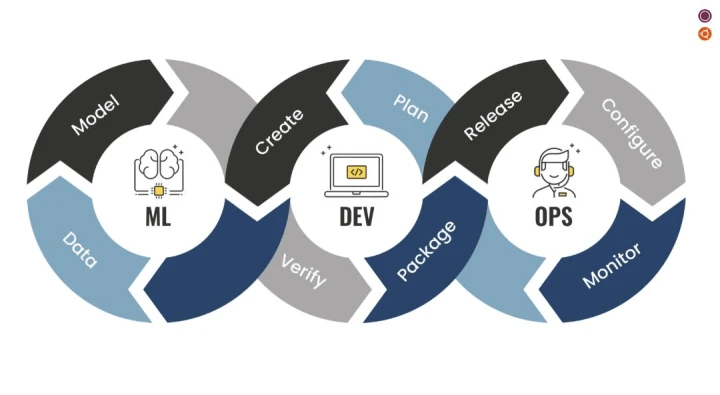
– MLOps combines machine learning, DevOps, and data engineering principles to streamline the machine learning lifecycle.

– It encompasses the processes and tools required for model development, testing, deployment, monitoring, and maintenance.

2. Complexities in Machine Learning Deployments:

– Deploying machine learning models at scale involves numerous challenges, such as data drift, model versioning, reproducibility, scalability, and security.

– MLOps consulting services help organizations navigate these complexities by providing expertise and best practices.

3. Key Benefits of MLOps Consulting Services:

– Strategy Development: MLOps consultants assist organizations in devising a comprehensive strategy aligned with their business goals, ensuring efficient use of resources and technology.

– Infrastructure Setup: They help design and implement the infrastructure needed to support machine learning workflows, including data storage, processing, and model serving platforms.

– Model Development: MLOps consultants collaborate with data scientists to develop robust and scalable machine learning models, leveraging techniques like hyperparameter tuning and model evaluation.

– Deployment Automation: Automating the deployment process minimizes human errors, accelerates model deployment, and ensures reproducibility.

– Monitoring and Governance: MLOps consultants implement monitoring solutions to track model performance, detect anomalies, and enable proactive maintenance. They also establish governance frameworks to ensure compliance and data privacy.

– Continuous Integration and Delivery (CI/CD): They establish CI/CD pipelines for seamless integration of new models, enabling frequent updates and iterative improvements.

4. Customization and Scalability:

– MLOps consulting services are tailored to the specific needs of each organization, considering factors such as existing infrastructure, technology stack, and industry requirements.

– They provide scalable solutions that accommodate the increasing complexity and volume of data, ensuring optimal performance as data-driven initiatives grow.

5. Risk Mitigation:

– MLOps consulting services help organizations mitigate risks associated with machine learning deployments by ensuring model accuracy, security, and regulatory compliance.

– They establish rigorous testing and validation processes to identify and address potential vulnerabilities in the deployed models.

6. Cost Optimization:

– MLOps consultants assist in optimizing resource allocation, reducing unnecessary expenses, and enhancing operational efficiency.

– By implementing efficient infrastructure and automating workflows, organizations can achieve cost savings in the long run.

7. Industry Expertise:

– MLOps consulting services offer access to experienced professionals who possess in-depth knowledge of machine learning, data engineering, and software development.

– They stay updated with the latest trends and best practices, enabling organizations to leverage cutting-edge technologies and methodologies. 8. Collaboration and Training:

– MLOps consulting services foster collaboration between data scientists, engineers, and stakeholders, promoting cross-functional teamwork and knowledge sharing.

– They provide training programs to upskill teams on MLOps practices, empowering organizations to develop internal capabilities.

In conclusion, MLOps consulting services play a vital role in enabling successful machine learning deployments. By leveraging their expertise, organizations can overcome complexities, optimize costs, mitigate risks, and scale their data-driven initiatives effectively. In today’s fast-paced and competitive landscape, partnering with MLOps consultants has become imperative for organizations seeking to unlock the full potential of their machine learning investments.

To Learn More:- https://www.leewayhertz.com/mlops-consulting-services/